
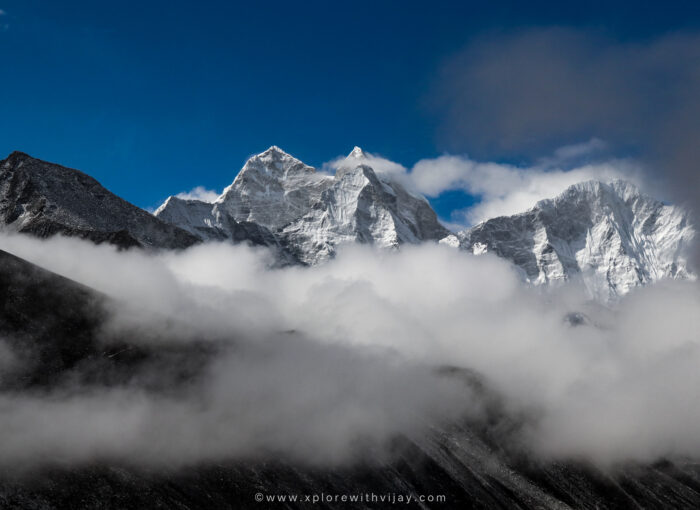
What comes to your mind when I ask, “What’s the tallest mountain on Earth?”
Almost instinctively, the answer must have been Mount Everest.
An easy answer.
But standing on its summit? Not an easy task.
Reaching the summit of Mount Everest demands years of relentless preparation, unwavering discipline, and significant financial resources, placing it far beyond the reach of most. For many, the closest one can realistically get is the Everest Base Camp, perched at a staggering 17,700 feet above mean sea level. And even that… is no small feat.
For nearly a decade, the Indian Himalayas have shaped my journey. It all began in 2015, when I nervously stepped into the world of high-altitude trekking. My first Himalayan trek tested every limit I thought I had. It was challenging. It was humbling. And it was utterly transformative. That single journey sparked a fire that never faded. Over the past 10 years, I have ventured into some of India’s most challenging mountain passes and summits, each trek demanding not just physical stamina, but deep mental endurance, the kind that only silence and solitude can build.
How exciting would it be to visit the Himalayas every year?
That’s exactly what I ended up doing.
Year after year, the mountains kept calling me back.
Ten years. Twelve visits. Not a single break in between.
The year 2025 marked a special milestone. To commemorate 10 years of trekking in the Himalayas, I crossed into Nepal to chase a long-standing dream that had quietly lived in my heart for years. I could have undertaken this trek at any point over the years, but I chose to hold it back for the right moment. And I’m glad I did. In the summer of 2025, I set foot at Everest Base Camp, perched at a staggering 17,700 feet in the heart of the Nepal Himalayas. This marked my 12th Himalayan expedition, and without a doubt, the most emotionally stirring of them all.
Planning & Preparation
Treks aren’t just trips. They are transformative journeys, the ones that demand preparation, awareness, and intent. Like every Himalayan expedition I have undertaken, planning played a crucial role here as well. Considering this was my tenth year in the Himalayas, I was keen to make it special. A trek to the Everest region had been on my mind for several years, but I kept deferring it. And what better time than now to take on the Everest Base Camp trek? The decision to take on the Everest Base Camp trek was made nearly six to seven months in advance. This wasn’t just about securing a slot, rather it was about choosing the right window. Not just for trekking, but also for capturing the mountains the way I had always envisioned. There are only two reliable seasons for the EBC trek. The Spring window from late March to early June, and the Autumn window from September to early November. Outside of these periods, the mountains tend to be far less forgiving.
That said, weather in the higher Himalayas has become increasingly unpredictable in recent years. Patterns that were once easier to read now shift without warning. After careful consideration, my friend and I narrowed it down to the second week of April 2025.
High-altitude trekking is often more about psychological strength than physical ability. While physical fitness is essential, a strong mental attitude makes all the difference. As you read through this blog, you will notice moments where mental resilience takes over and guides the body forward. For this trek, my preparation focused on building lung capacity and cardiovascular endurance. Breathing efficiency became a priority. Training myself to take deeper, more controlled breaths, allowing the body to utilise oxygen more effectively.
At the same time, I worked on maintaining a steady heart rate during sustained physical effort. Activities like jogging, running, and cycling became part of a disciplined routine.
This went on for about 40 days. Each session, each effort, gradually improving my aerobic efficiency.
Cycling has always been a part of my lifestyle, and that certainly helped me stay in shape throughout the year. But this phase of preparation was more structured, more intentional, knowing what lay ahead. You can read more about my cycling journeys here.
Day 1:
It was time for my first international trip of the year. My excitement levels were through the roof. After all, this journey was to one of the most stunning destinations for adventure lovers. After nearly 40 days of intense training, the moment had finally arrived. All the hard work, the sweat, and the preparation had been leading up to this day.
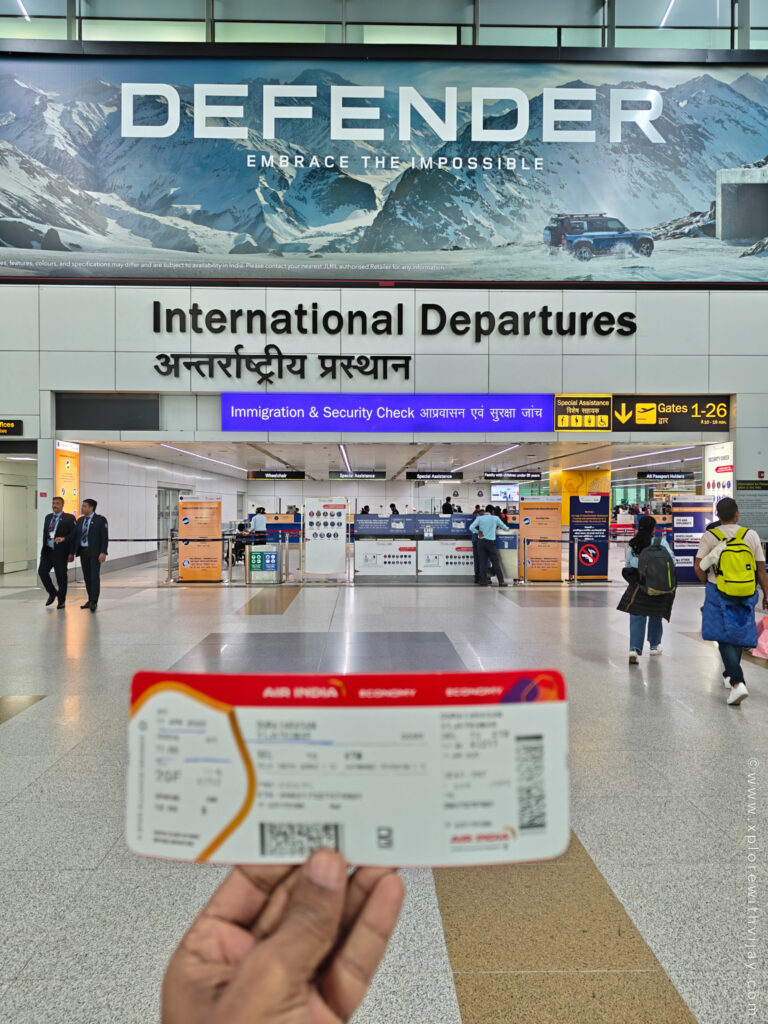
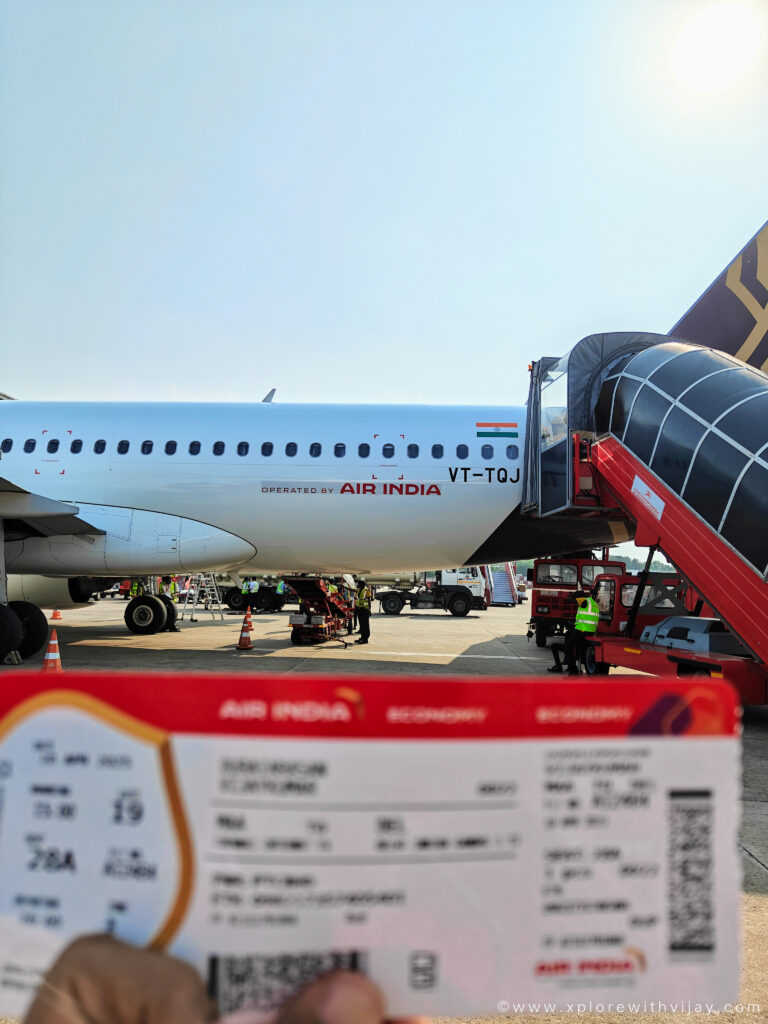
I boarded the first of many connecting flights from Chennai. It was going to be a long journey ahead, but in many ways, the adventure had already begun. A 3-hour flight brought me to the capital city of India, New Delhi.
The next morning brought a different kind of excitement.
At the immigration counter, the officer asked about my purpose of travel to Nepal. Moments later, my new passport received its very first stamp.
Soon after, I met my friend who had arrived from Bengaluru. Together, we boarded our next flight.
A little over 60 minutes in the air, and we landed at Tribhuvan International Airport at Kathmandu, our first real breath of Himalayan air.
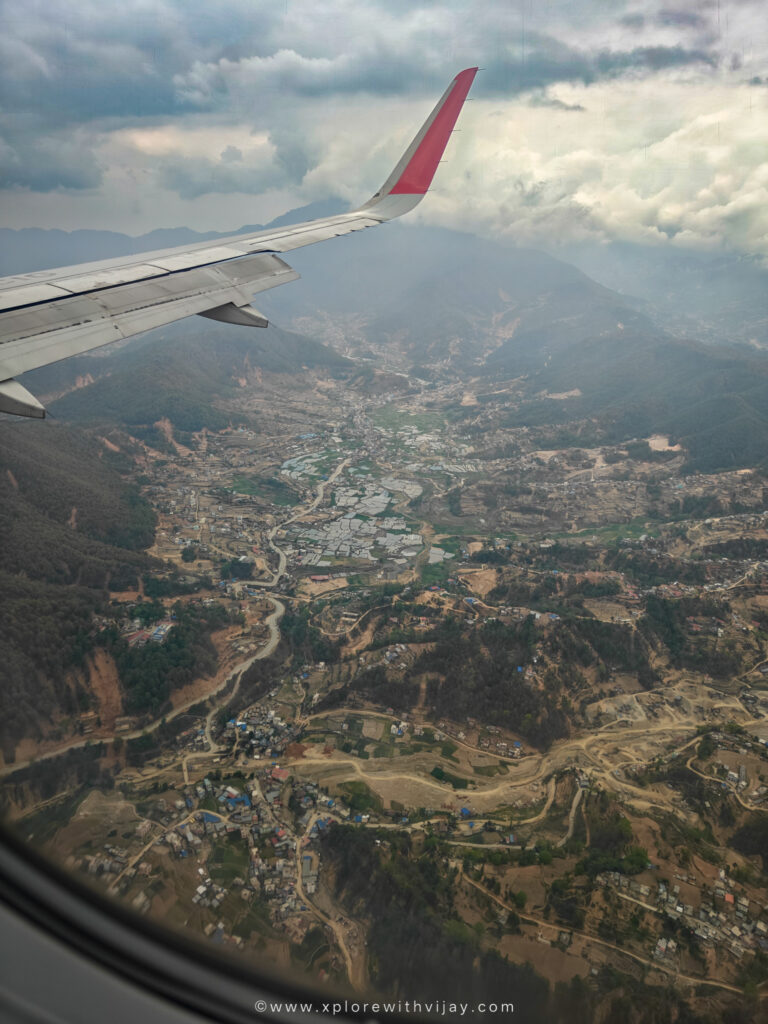
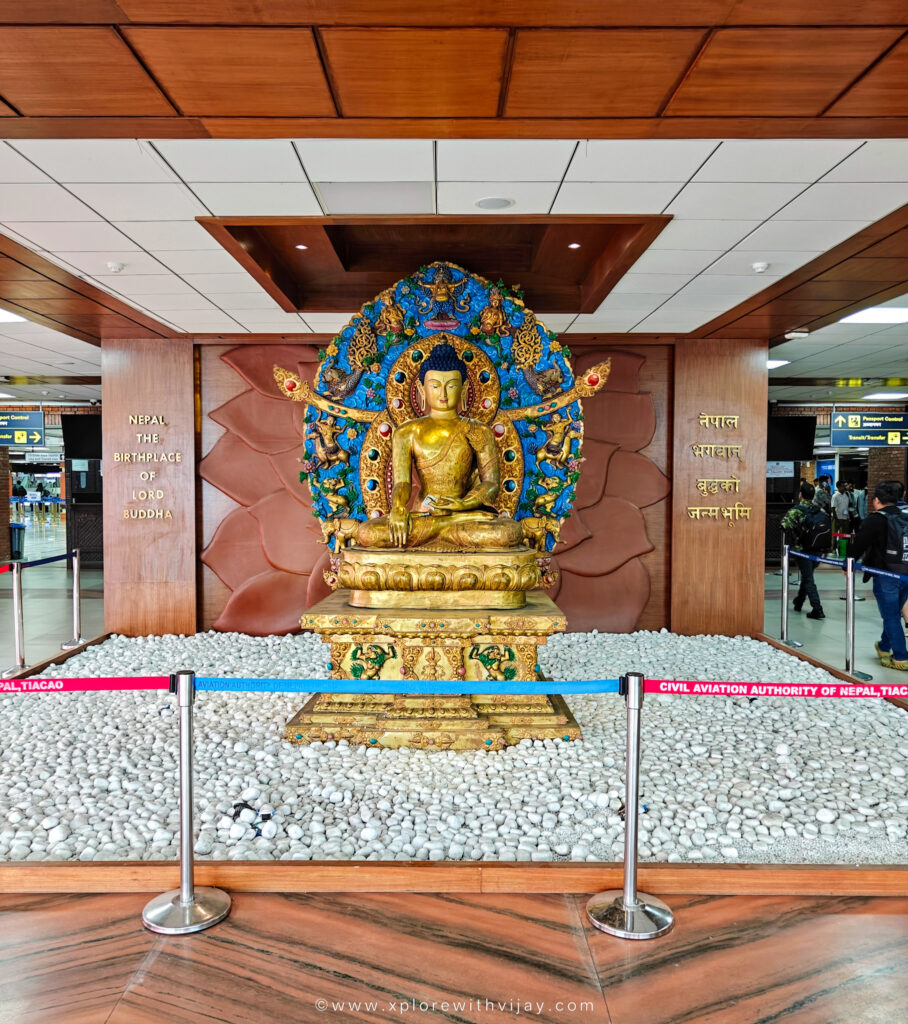
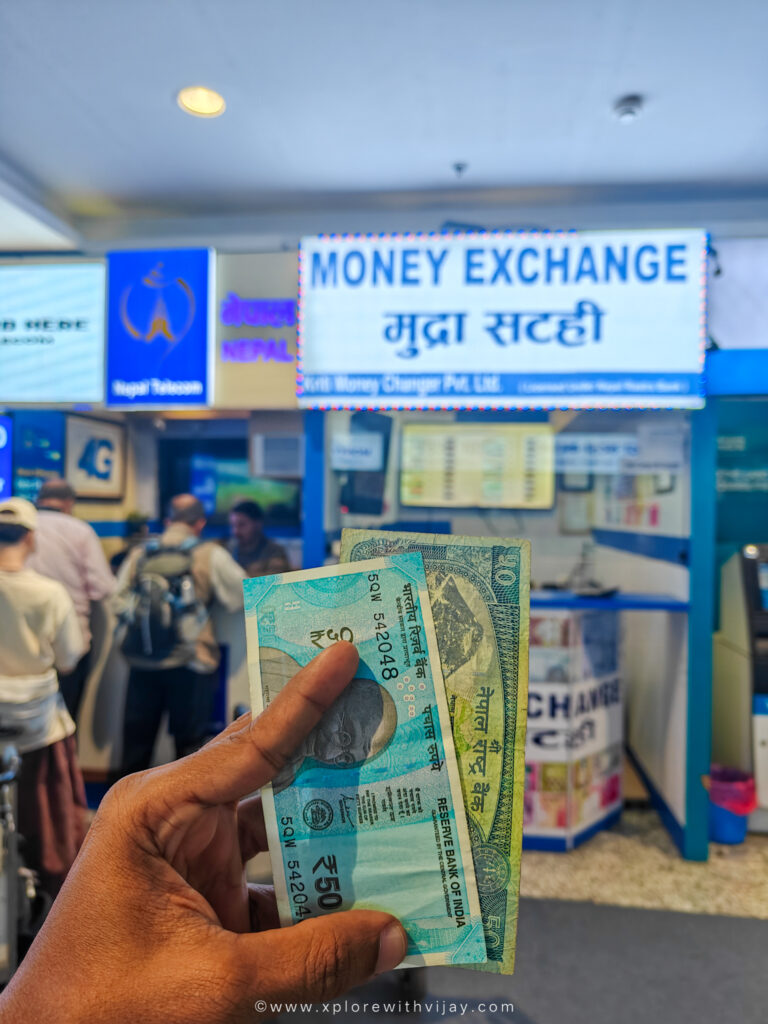
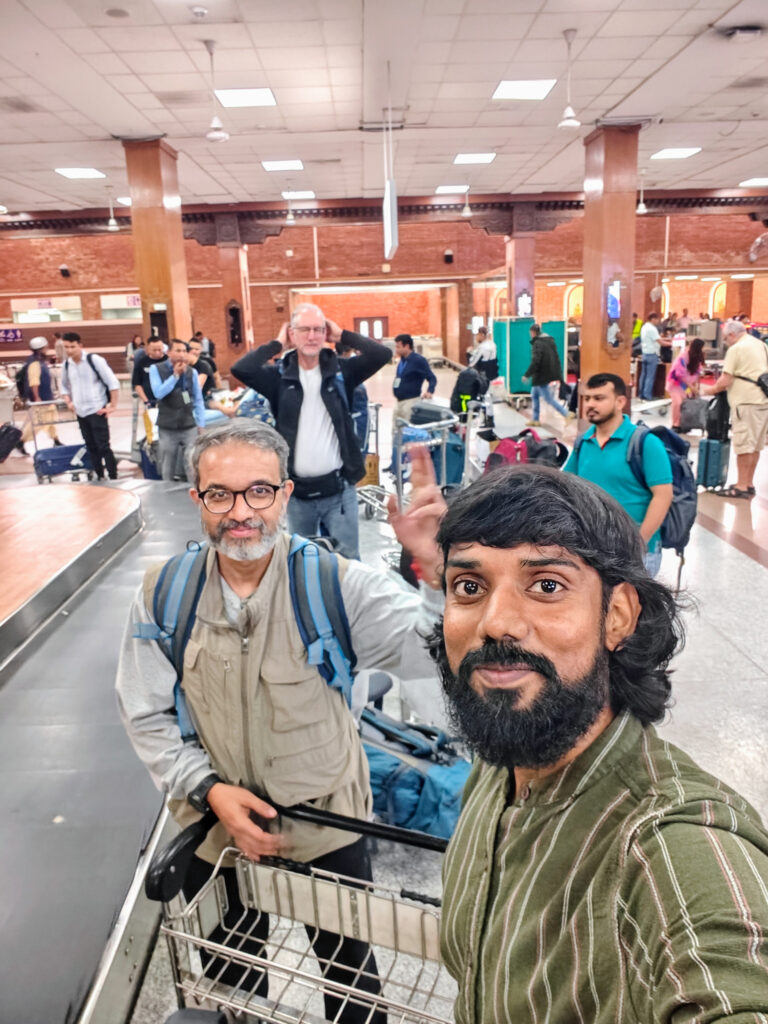
From the humid Indian summer, we had stepped into a region with far more dynamic weather. Nepal welcomed us with short spells of rain and distant rumbles of thunderstorms.
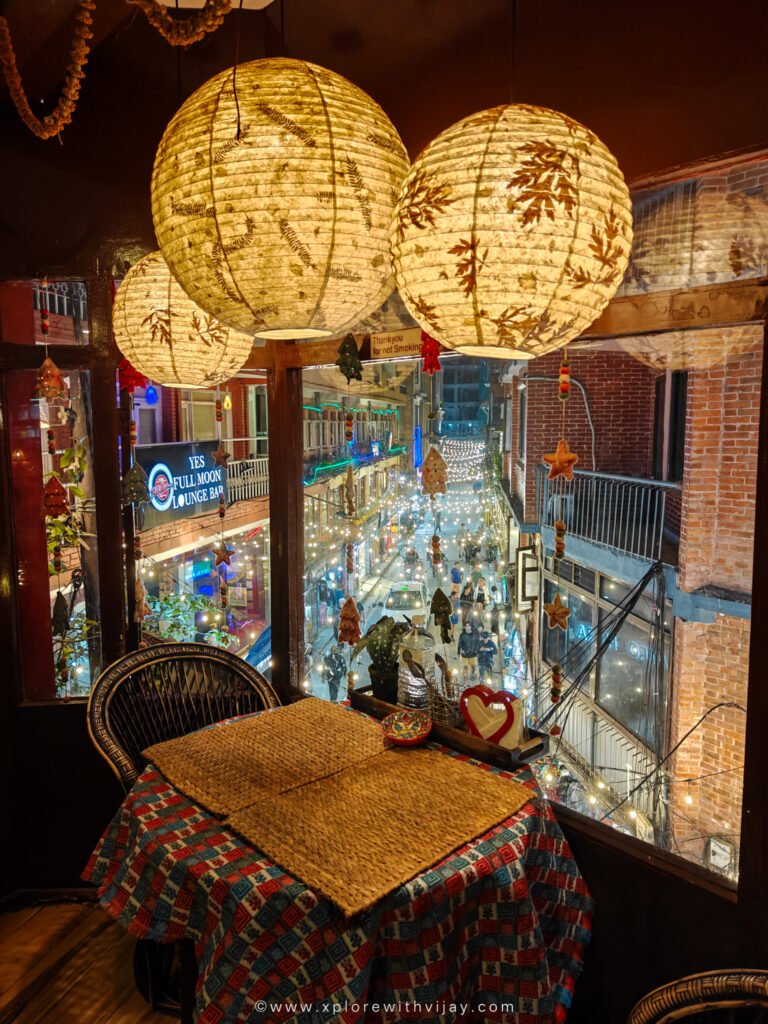
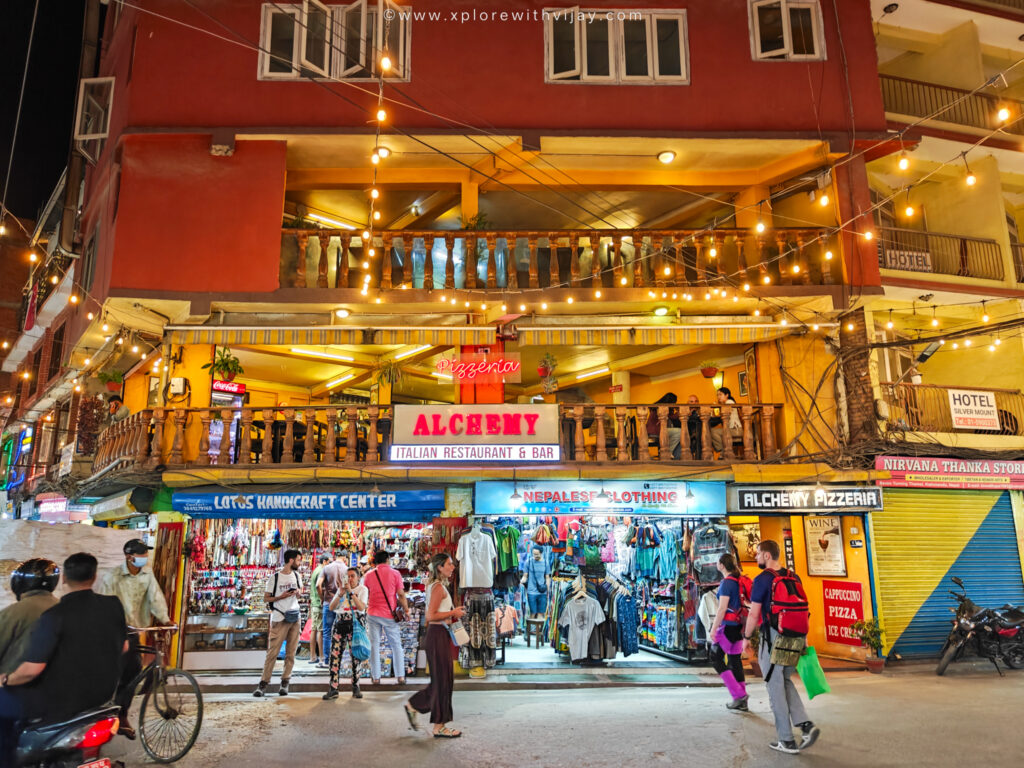
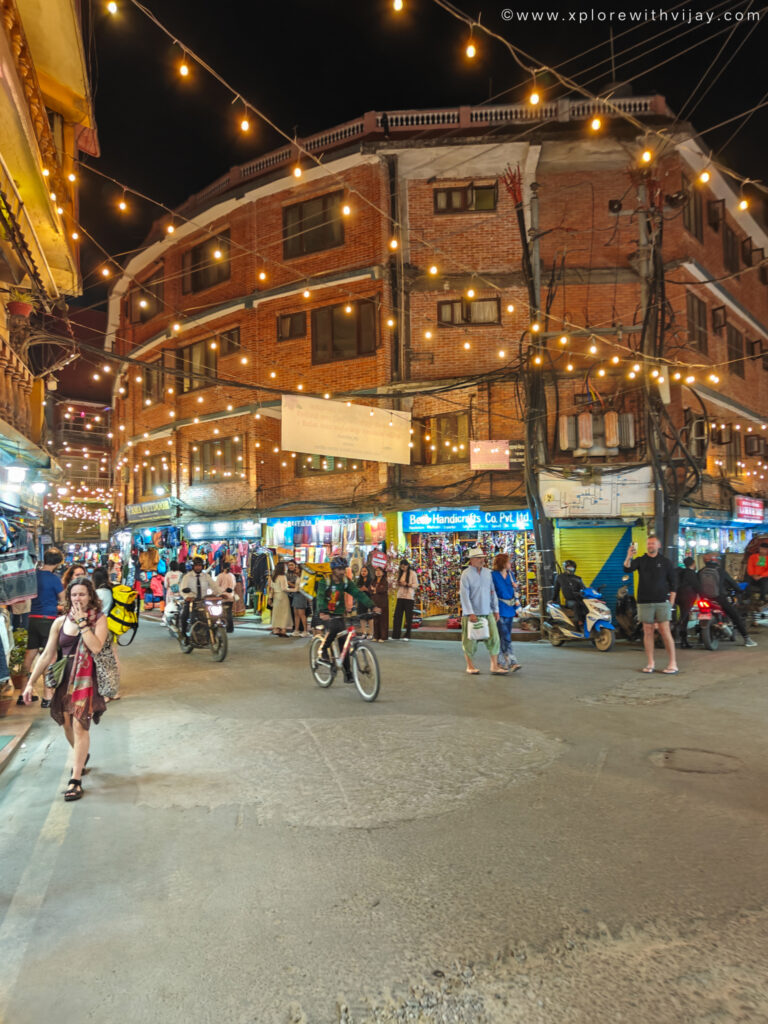
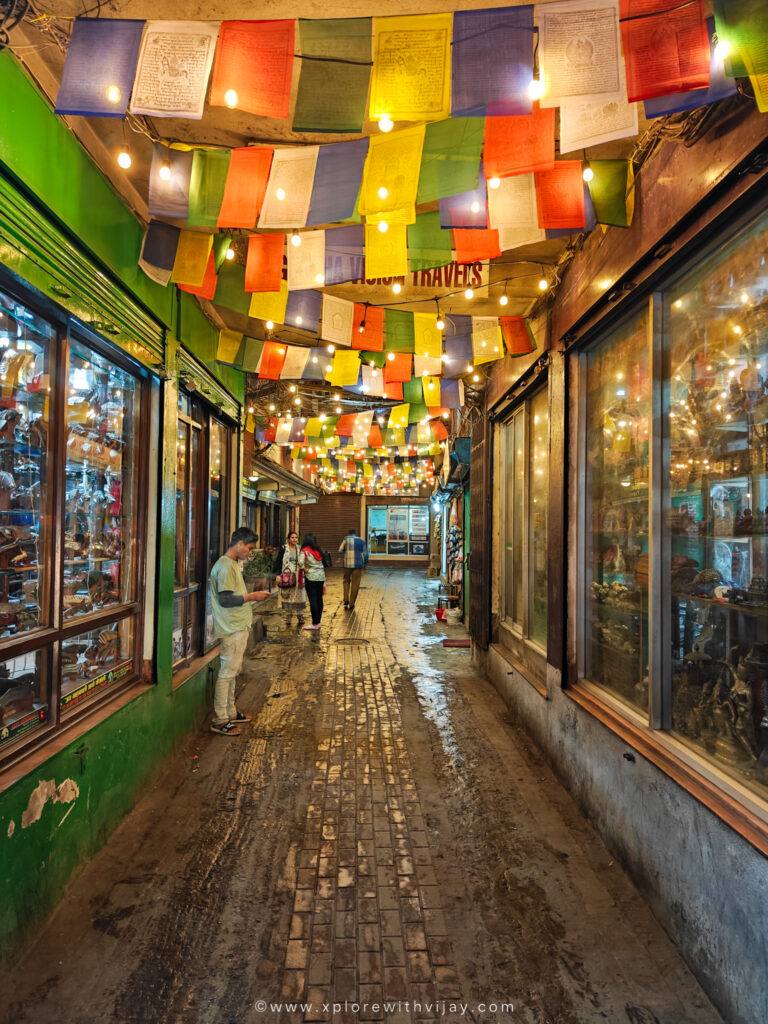
We checked into our cozy hotel, at a locality named Thamel, one of the most happening parts of the city. The locality had a distinct energy, alive with trekkers and travellers from across the world, all setting out on journeys of their own.
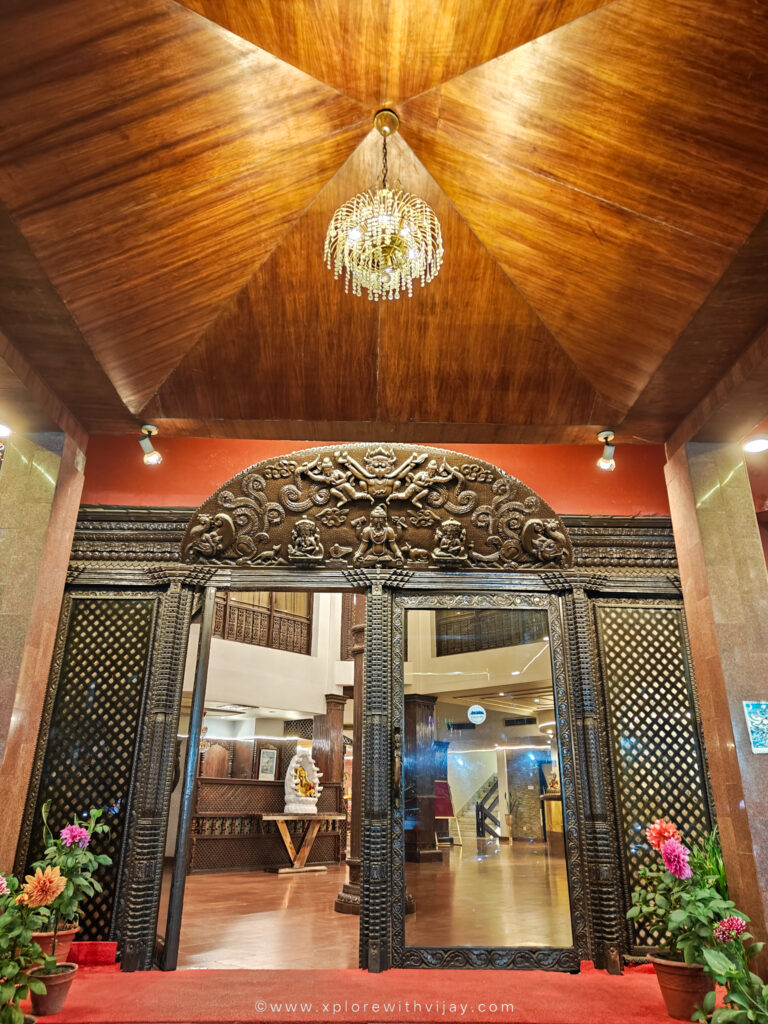
Day 2: An exciting and adventure-filled day awaited us
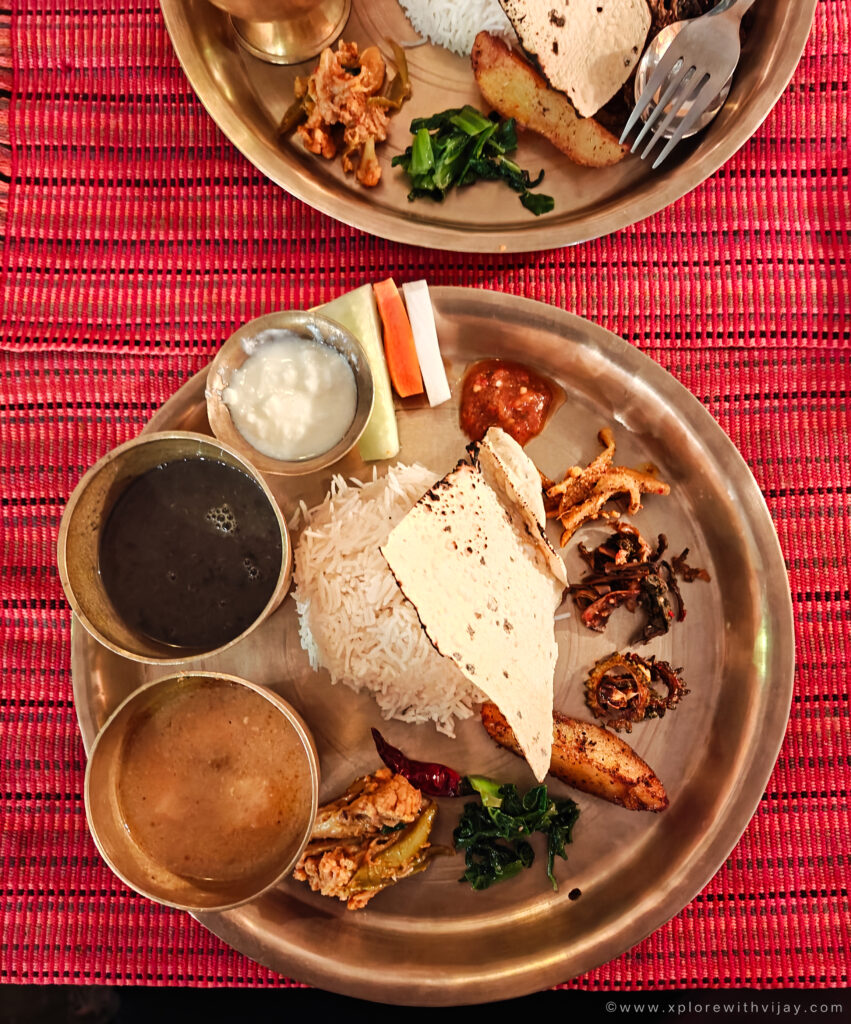
We had a full day to walk through the streets, try local food, and take in the energy of the city. At the hotel, we met the rest of our trekking group for the first time. It was a round of introductions, people from different places, each with their own story, but all heading towards Everest Base Camp. A little past midnight, we departed Kathmandu for Ramechhap Airport. The initial stretch out of the city was fairly standard. But soon, the road transformed from paved to… well, “less paved” would be the polite way to put it.
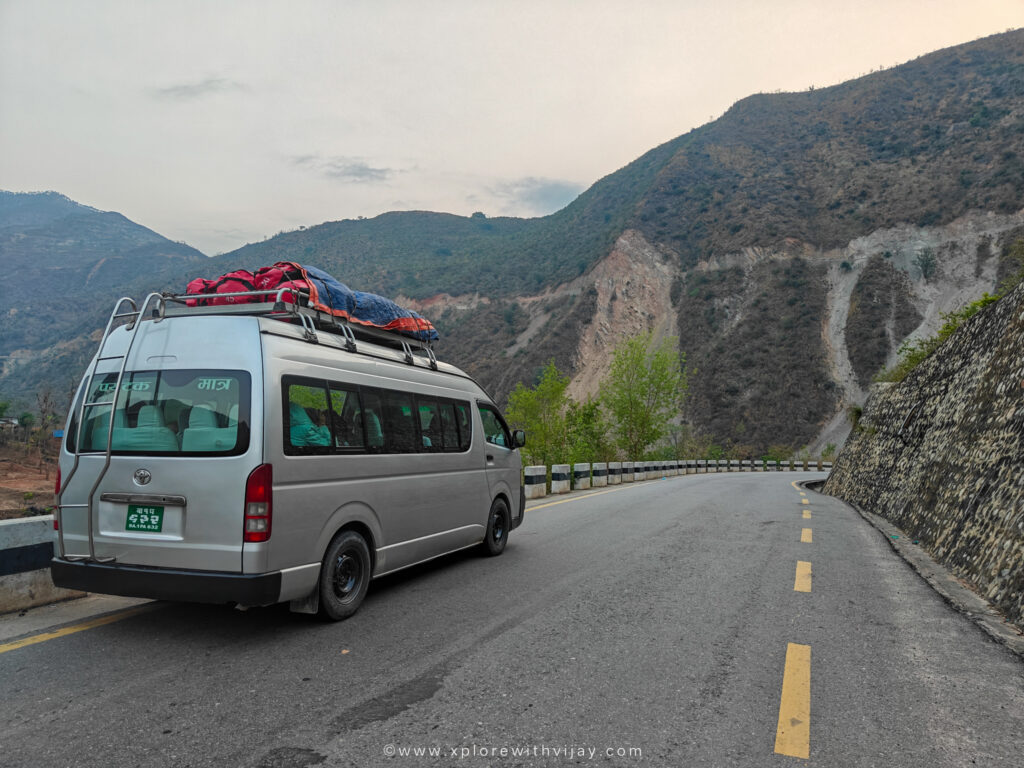
There were stretches where we were practically dancing with potholes, bracing for impact, and occasionally laughing as we went airborne for a split second.
As we drew closer to Ramechhap, the landscape turned more rugged and dramatic. And then, almost out of nowhere, a small cluster of buildings appeared, along with a flat strip of land and a few tiny planes. There was a quiet sense of relief as the 5-hour bumpy journey finally came to an end.
At first glance, it felt less like an airport and more like a high-altitude bus stop with a runway. Honestly, that’s probably the best way to describe Ramechhap. No glitz. No glamour. Just a place that does its job, perfectly positioned for those short hops to Lukla.
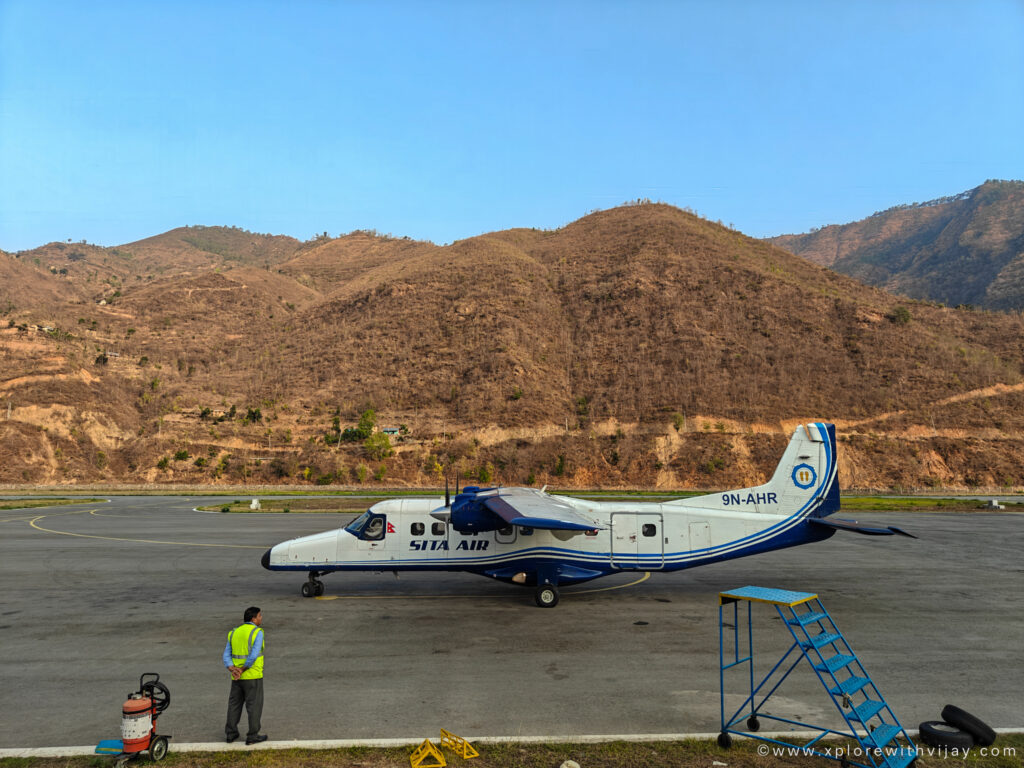
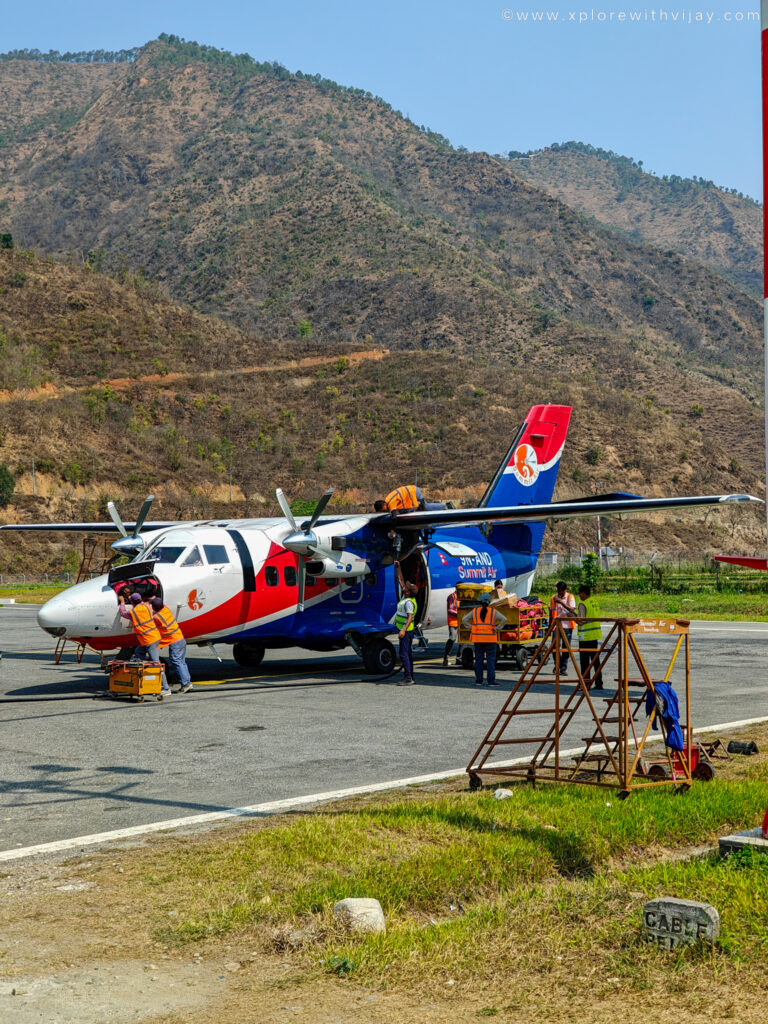
While our bags were being checked in, there was a noticeable shift in the atmosphere. Everyone around us was heading into the mountains. You could feel it. A shared sense of anticipation, a quiet camaraderie among strangers.
After a long wait, it was finally our turn.
We boarded one of those tiny 18-seater turboprop aircraft. These machines are built specifically for short takeoffs, quick landings, and the unforgiving terrain of the mountains.
Moments later, the engines roared to life, vibrating through the cabin. It was a sound that was both unsettling and strangely exciting.
As we lifted off, the green hills of Ramechhap quickly disappeared beneath us, replaced by an unfolding panorama of jagged peaks. The flight lasted barely 20 minutes, but every second felt intense.
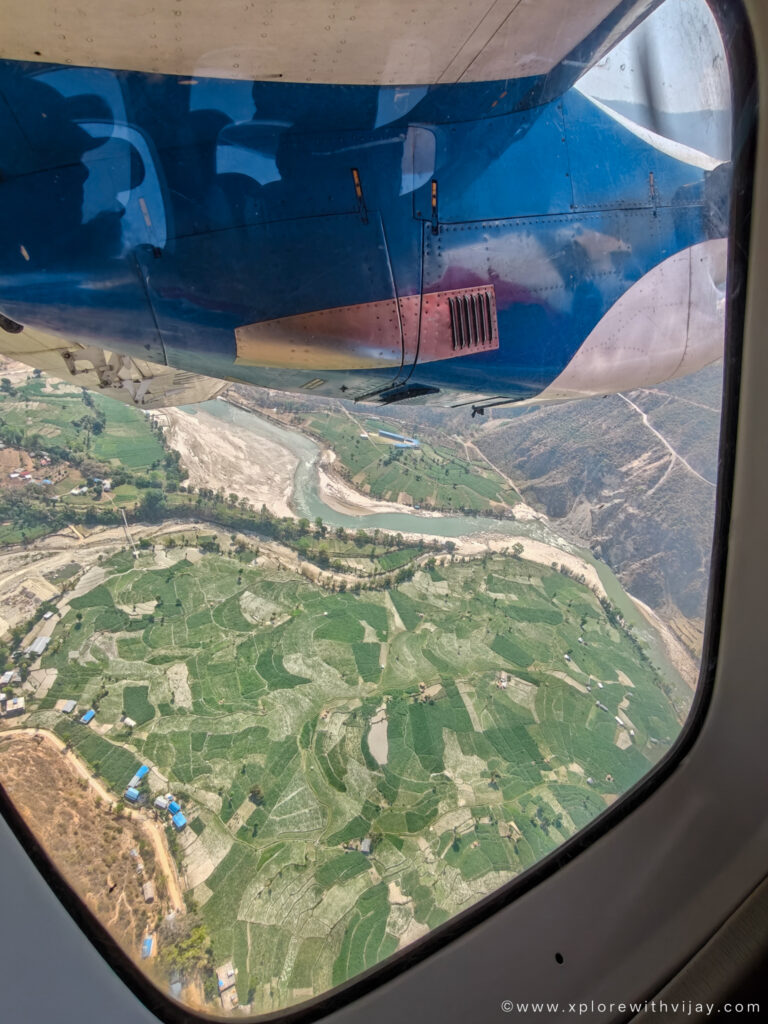
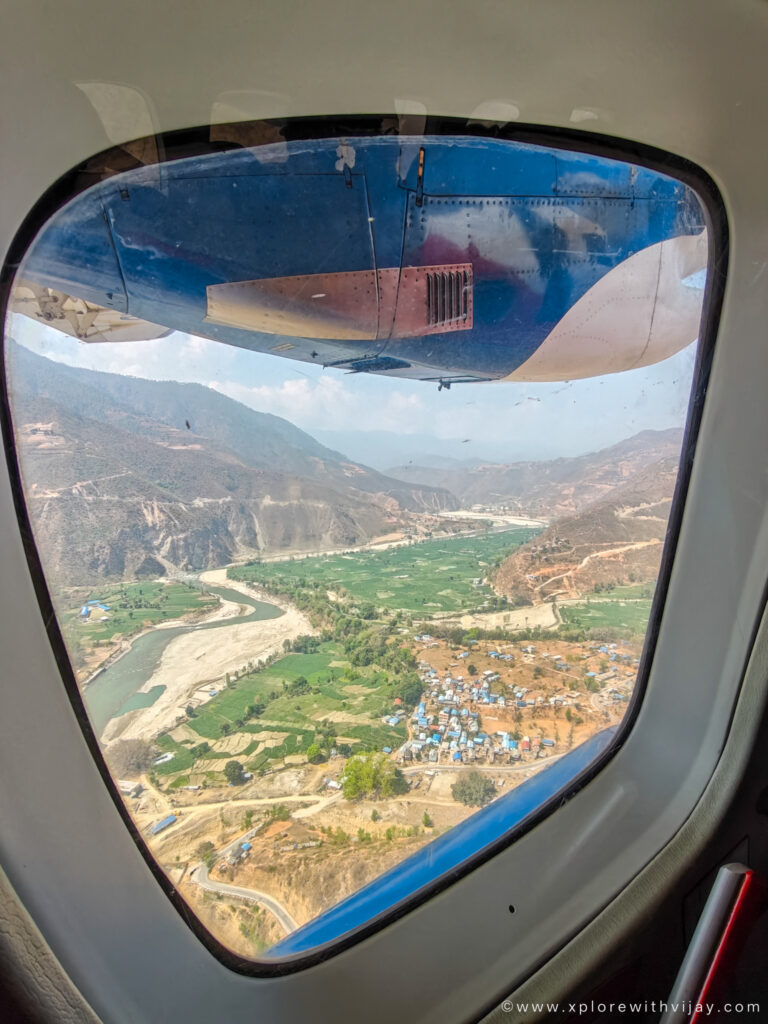
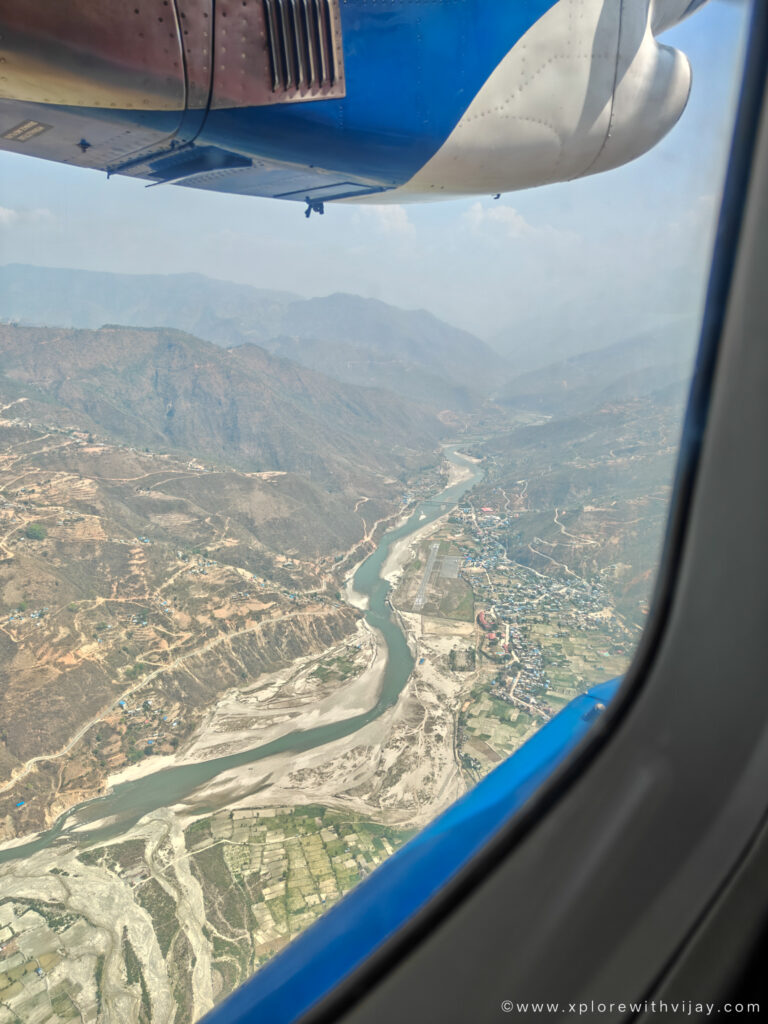
The pilot, calm and precise, navigated through narrow valleys with remarkable control. At times, the mountains felt so close it seemed like we could reach out and touch them. Occasional turbulence reminded us of the forces at play in these high altitudes.
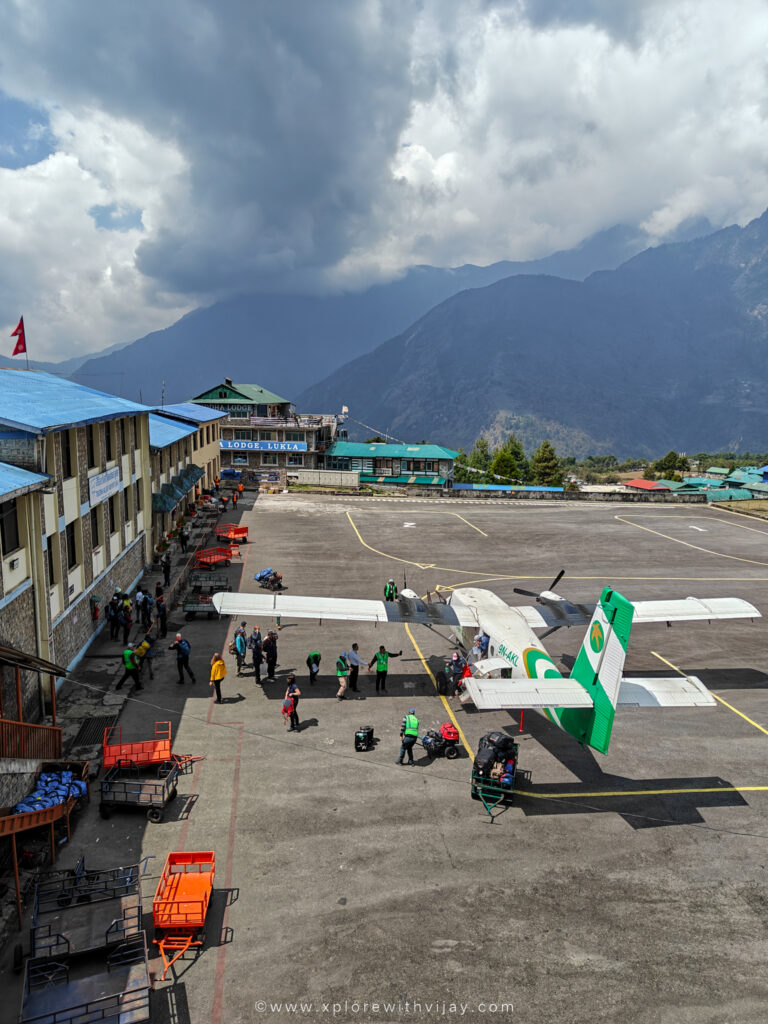
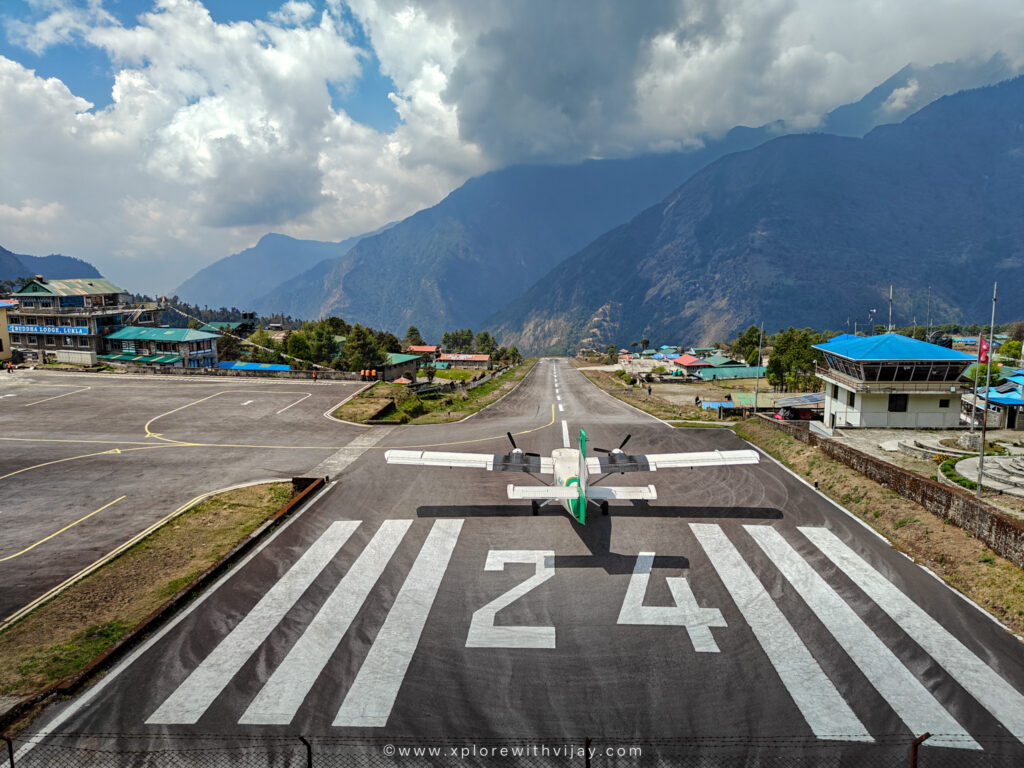
And then came the approach to Tenzing-Hillary Airport. A name you hear often. A runway you never quite forget. It appeared suddenly. A narrow strip carved into the mountainside. Short. Steep. Unforgiving. There was no room for error.
The landing came with a firm jolt.
A brief silence.
And then, applause.
As we stepped out onto the tarmac, the crisp, thin air hit instantly, carrying with it the scent of pine, and something more subtle… the unmistakable promise of adventure.
The journey into the Everest region had truly begun.
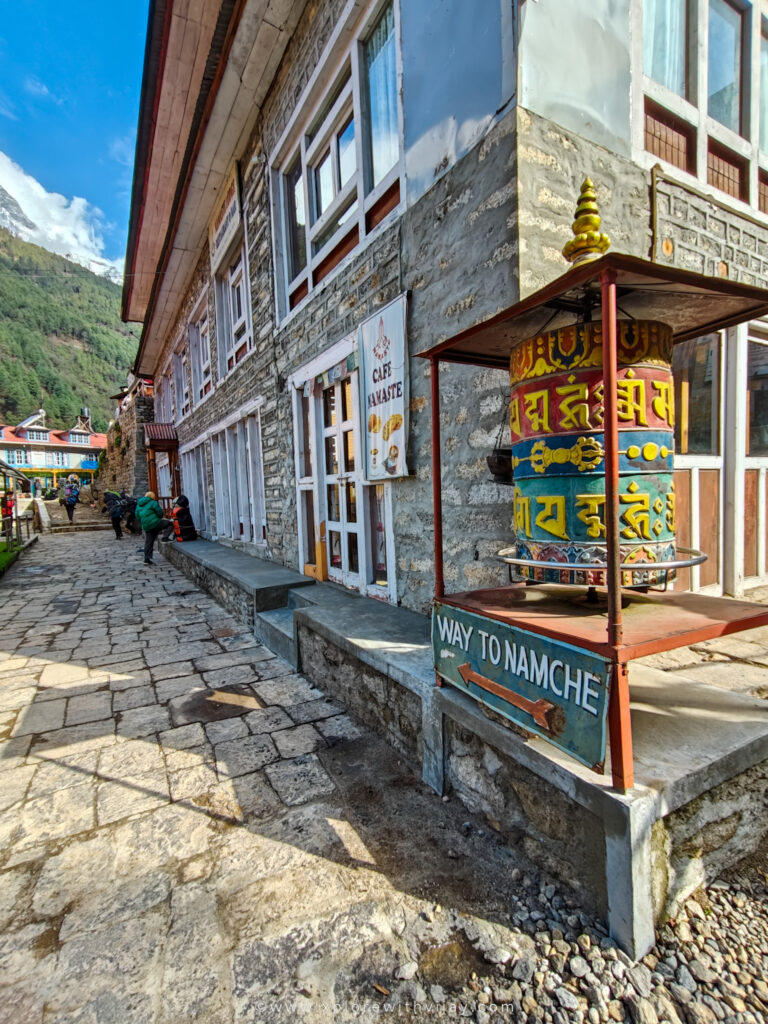
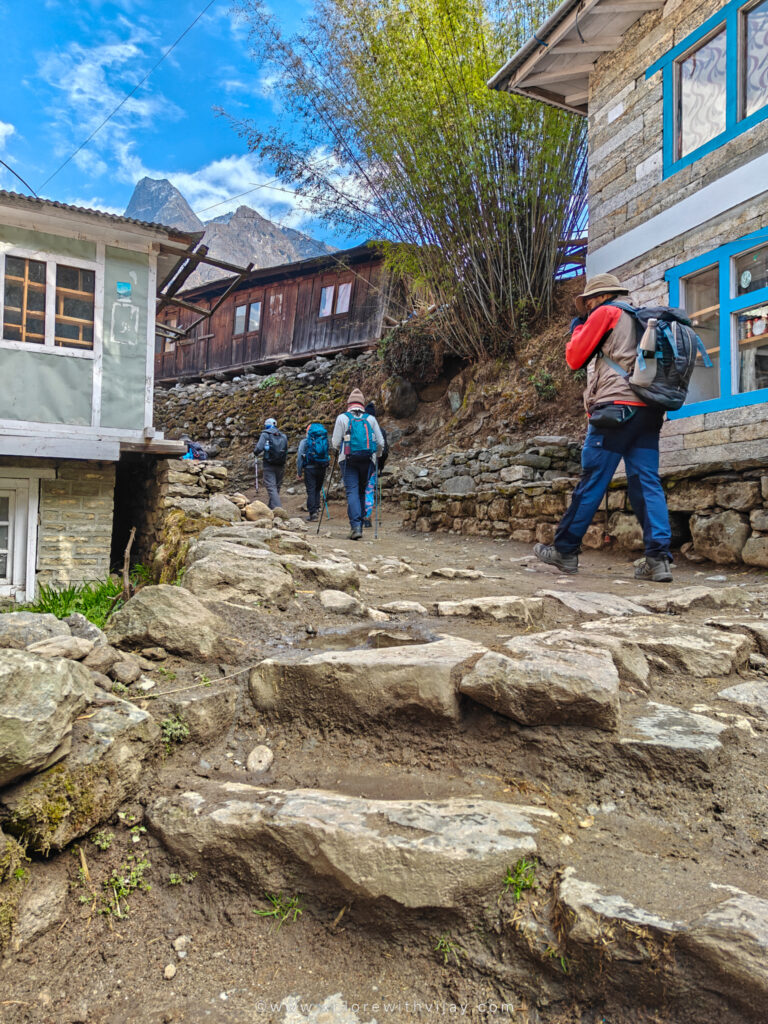
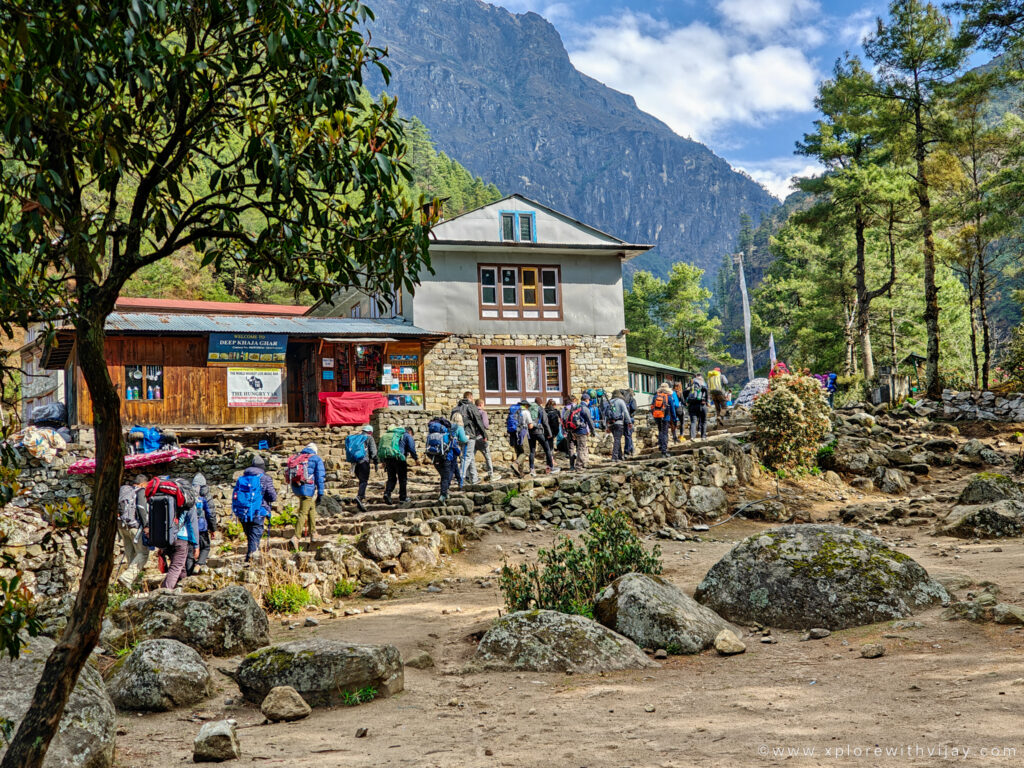
After the intensity of Lukla, the trek to Phakding felt like a gentle welcome.
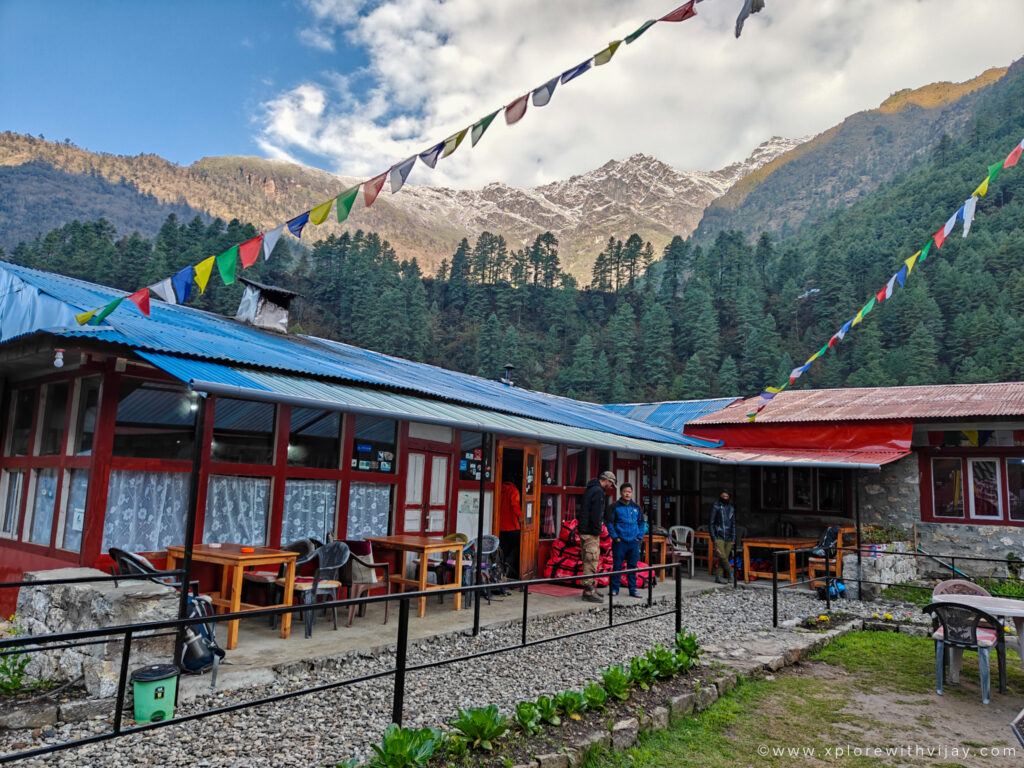
The trail began with a gradual downhill slope, winding through charming Nepali mountain villages. It felt almost surreal, like walking through a living postcard, with stone houses, prayer flags, and smiling locals along the way.
Soon, the path led us into lush forests, their silence broken only by the distant sound of the river below.
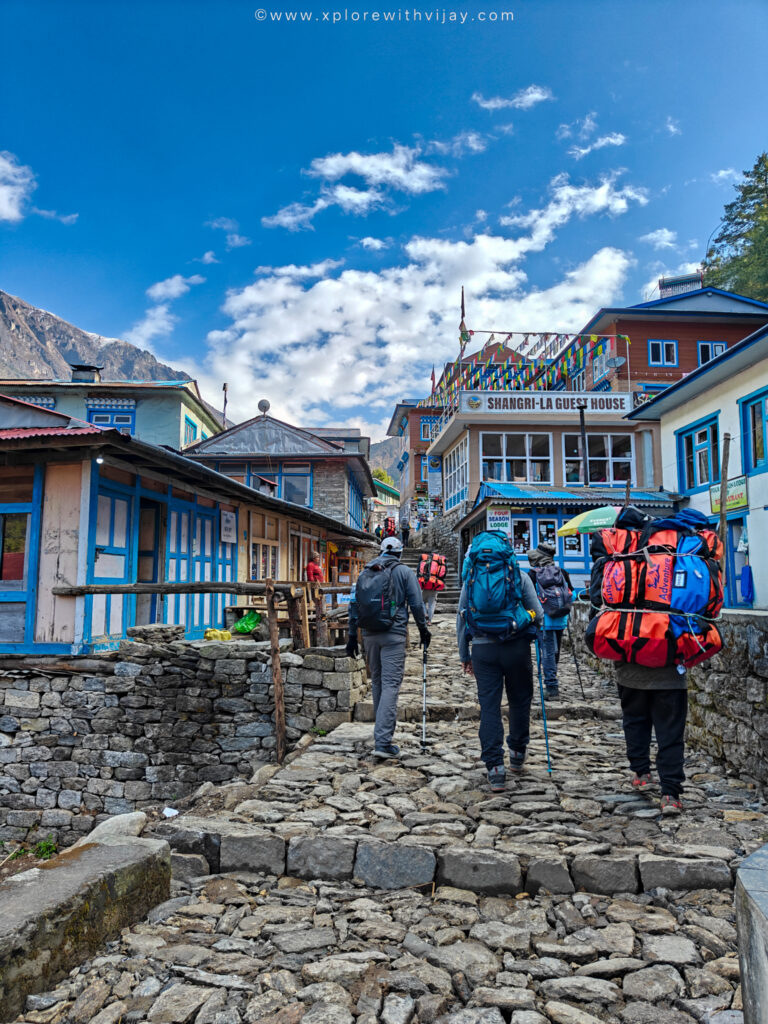
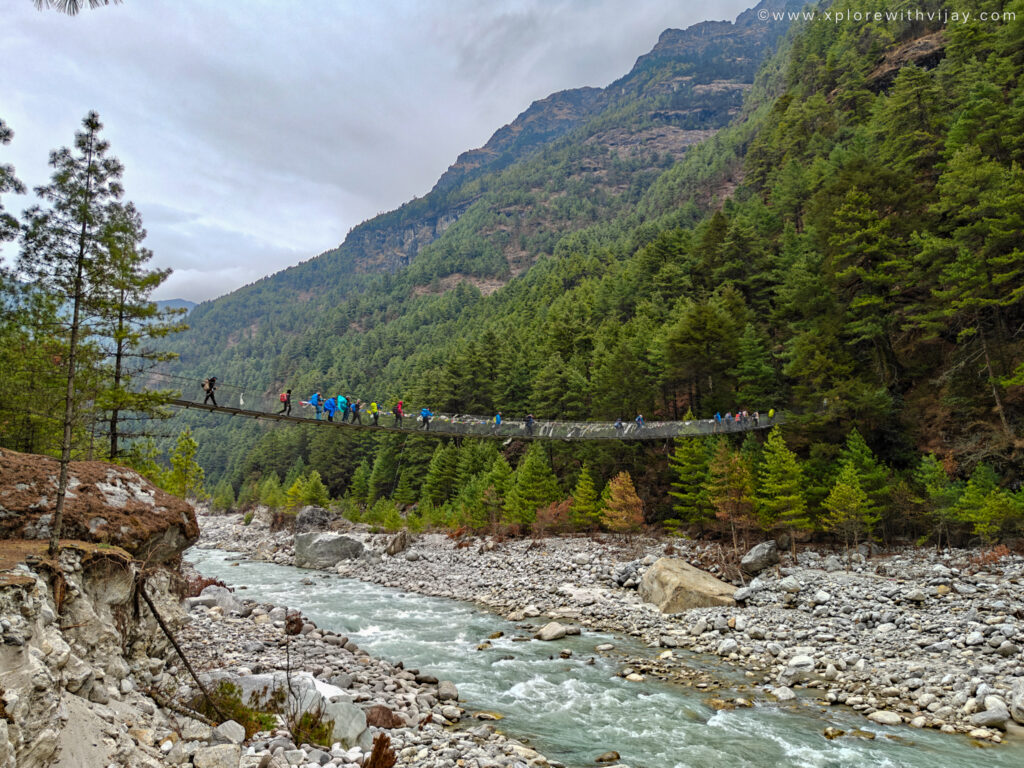
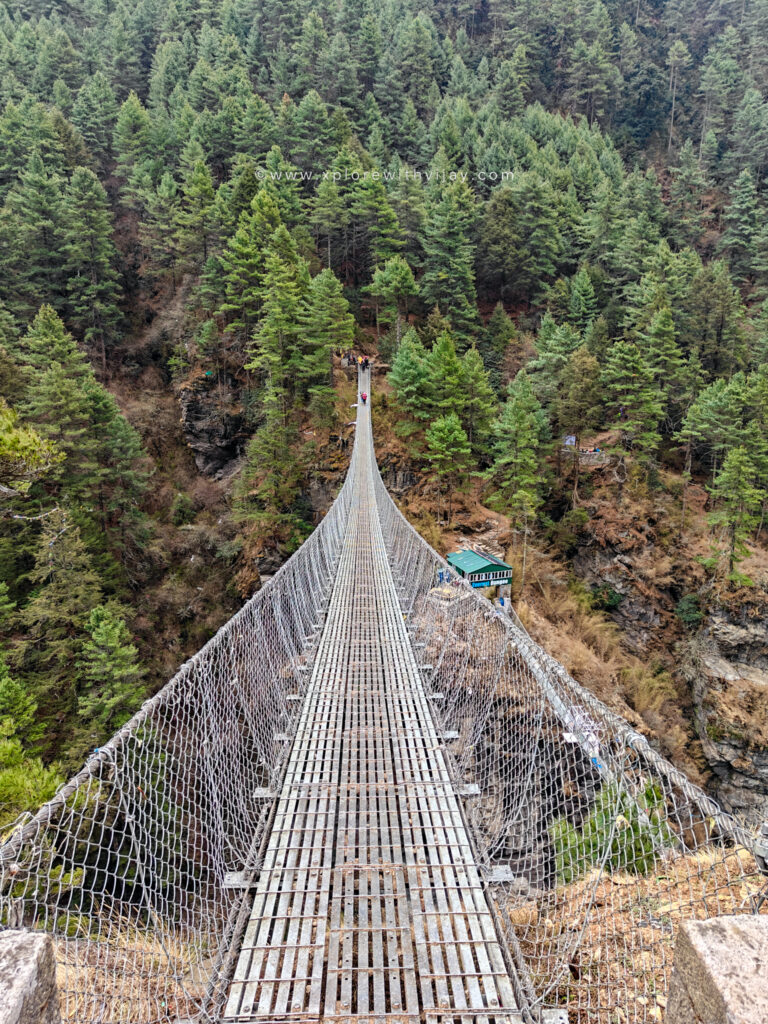
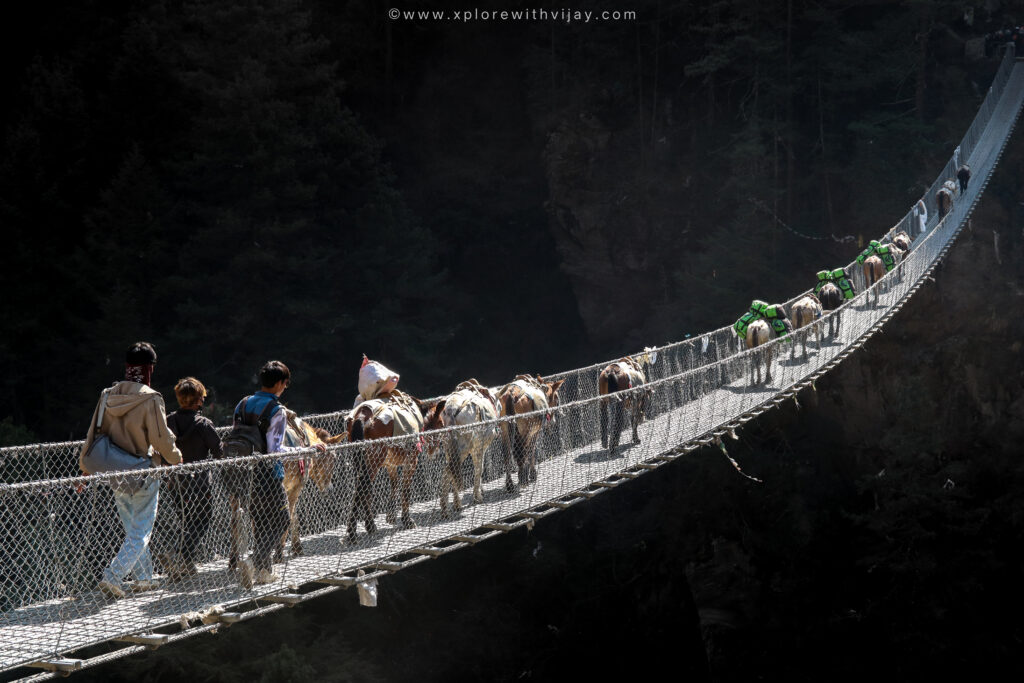
One of the highlights was crossing the suspension bridges. They swayed just enough to keep things interesting, offering incredible views of the river rushing beneath.
The trail itself was relatively easy, gentle ascents and descents, making it perfect for easing into the altitude.
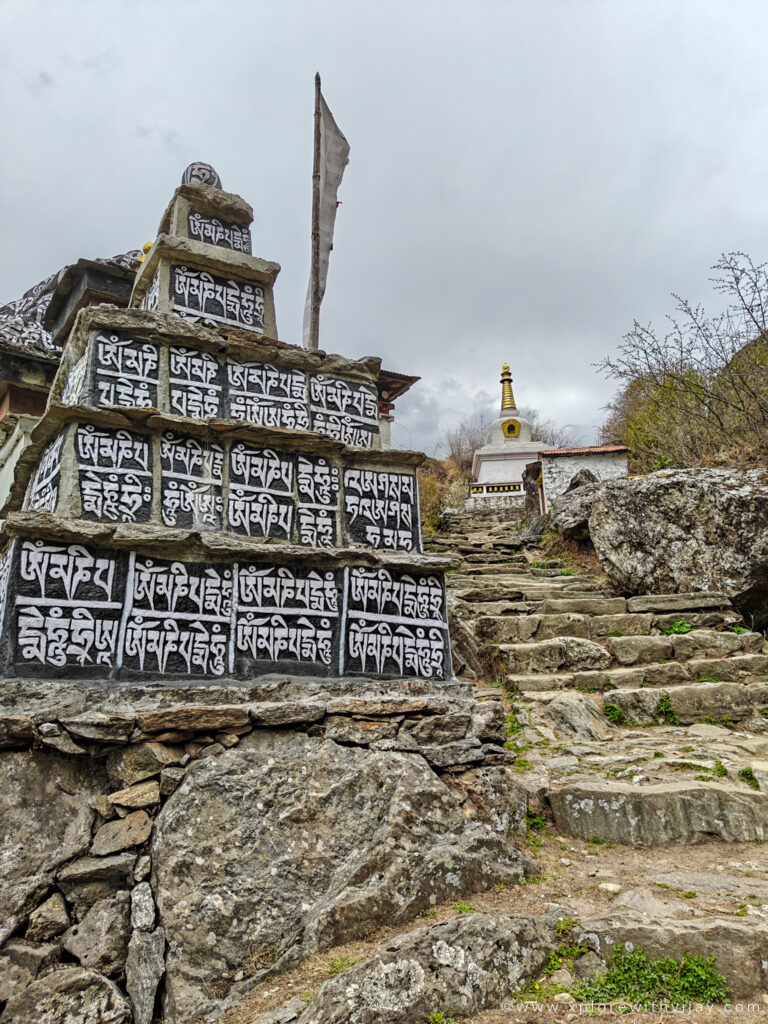
Along the way, I noticed vibrant boulders carved with Buddhist prayers. Small details, but they added a deep cultural layer to the journey.
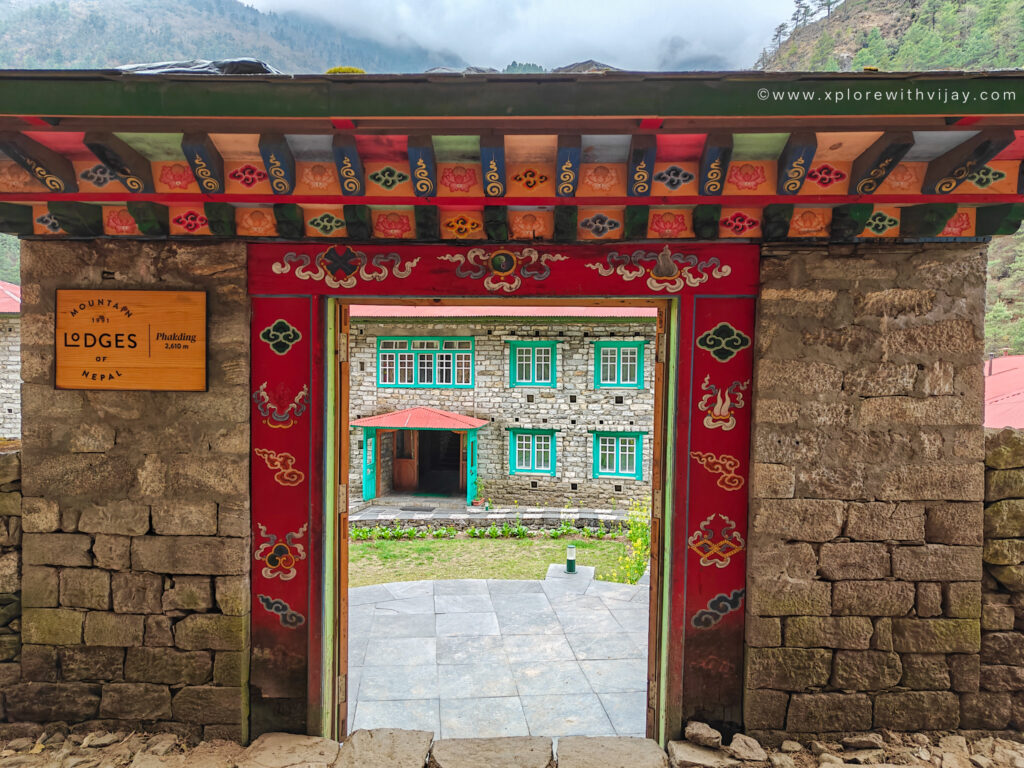
Passing through the villages of Cheplung and Ghat, we finally reached Phakding.
A perfect first halt. Not too high, just enough for the body to begin adjusting.
Day 3: Phakding to Namche – A New Year’s Ascent
After a good night’s rest in Phakding, it was time for the day we had been anticipating – trek to Namche Bazaar, the vibrant capital of the Khumbu region.
What made it even more special was the timing. Our trek coincided with both the Nepali New Year and regional New Year celebrations across certain regions in India, including the one from where I come from – Tamil Nadu. There was a subtle festive energy in the air, adding a sense of occasion as we set out on this iconic trail.
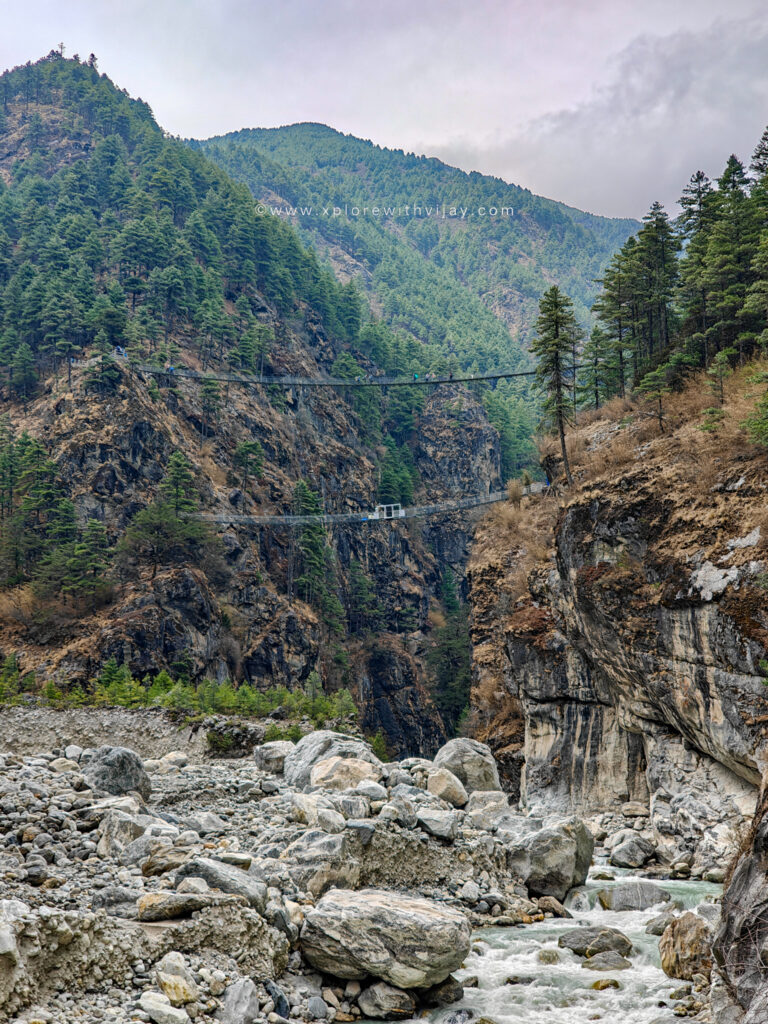
We started early after breakfast, and almost immediately crossed a suspension bridge over the Dudh Koshi River. It had a gentle sway to it, a fun little start, almost like a warm-up for what lay ahead.
The trail from there was incredibly pleasant, with a comfortable mix of gradual ascents and descents, the river flowing alongside us for most of the way. One of the first major highlights was the famous Swiss suspension bridge over the Dudh Koshi. It was an impressive structure, and crossing it felt like a small milestone early in the day.
Further along, we encountered another bridge, this time over the Bhote Koshi River. And then came the one everyone talks about, the iconic Hillary Suspension Bridge.
I had seen countless photographs of it. But standing on it, high above the river, was a completely different experience. It’s easily one of the most photogenic spots on the Everest trail, and also one of the most memorable. After crossing the bridges, the real climb began.
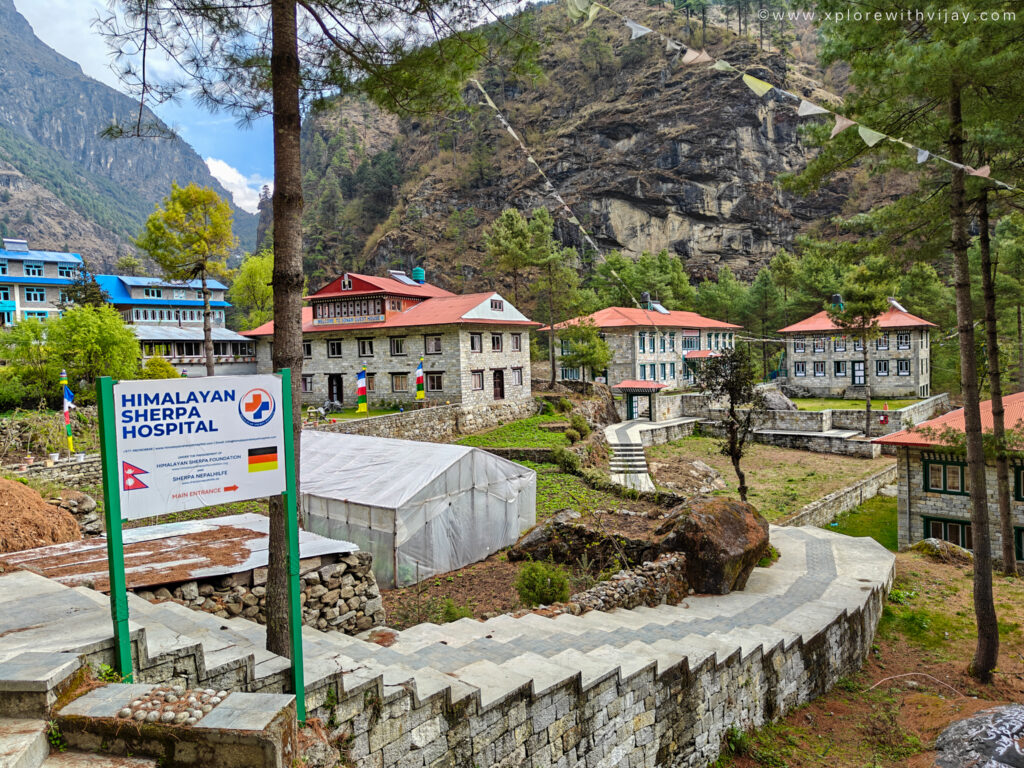
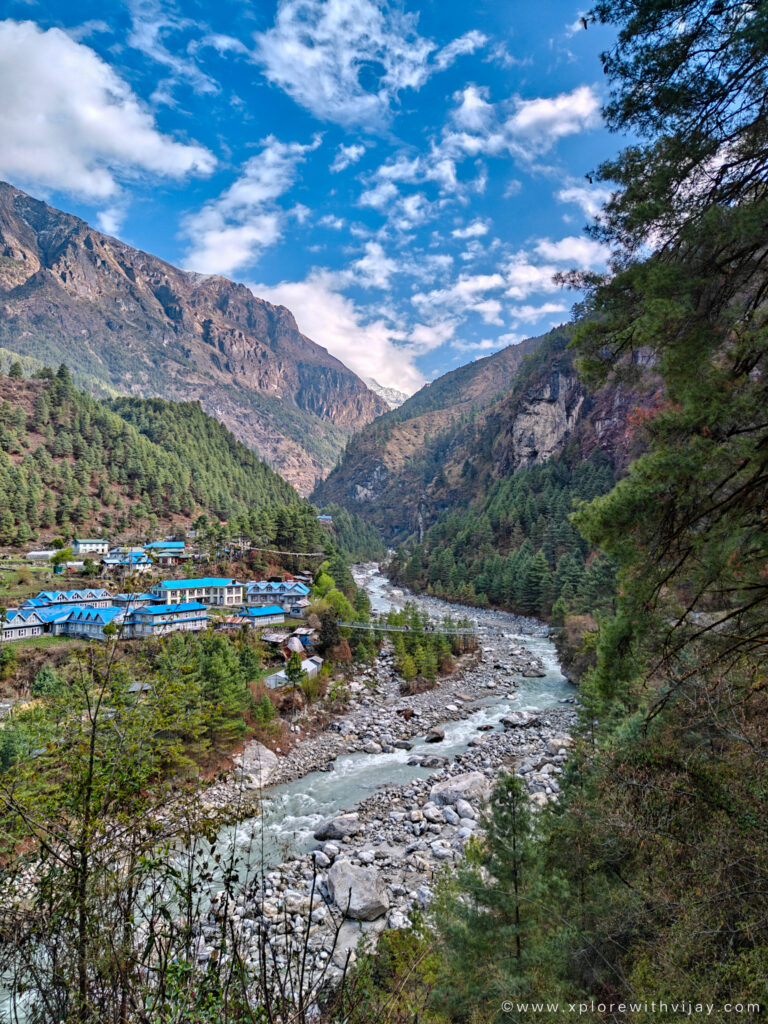
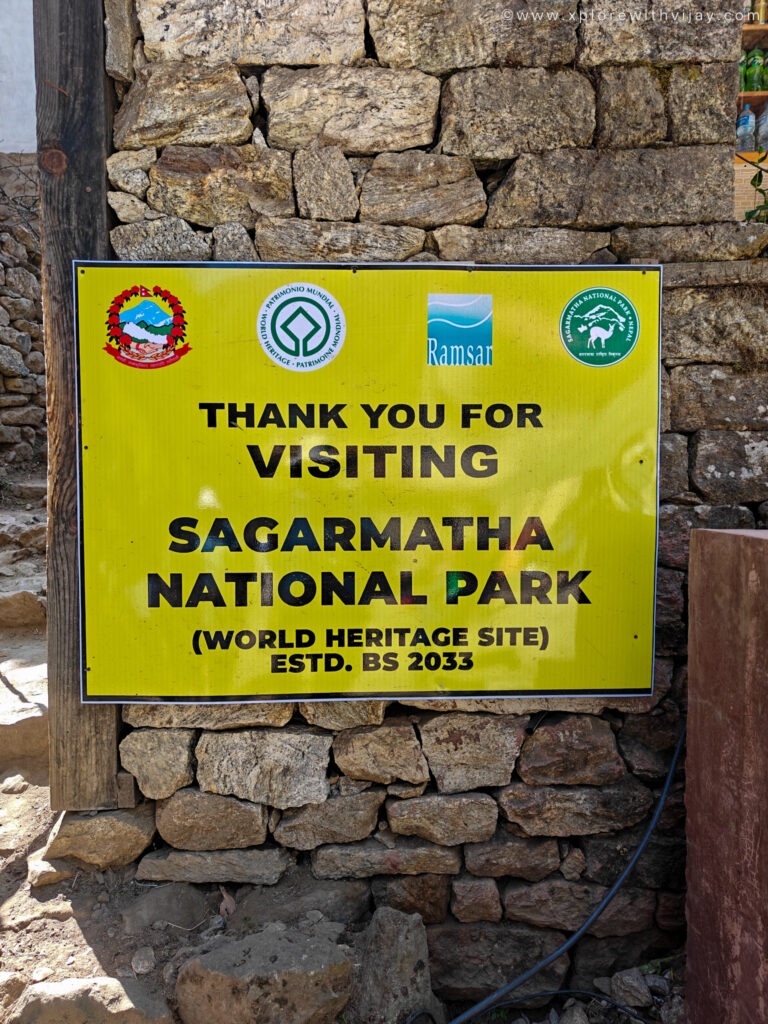
The trail turned steep, gaining elevation steadily. Following the Dudh Koshi, we soon reached the entrance to Sagarmatha National Park. This is where things become official. Permits are checked, and every trekker is registered before proceeding further.
But beyond the formalities, there’s a certain significance to this point. Sagarmatha is a UNESCO World Heritage Site, known not just for its towering peaks, but also for its unique biodiversity.
From here, the climb continued. Steady, demanding, and building anticipation with every step. By the time we reached Namche Bazaar, it felt well deserved. It had also started to drizzle lightly, with clouds briefly closing in around us, almost holding us in place. And then, just as quickly, they cleared. For a short window, we were rewarded with glimpses of the surrounding peaks, towering giants both near and far, revealing themselves just enough to leave an impression.
And what a place it turned out to be.
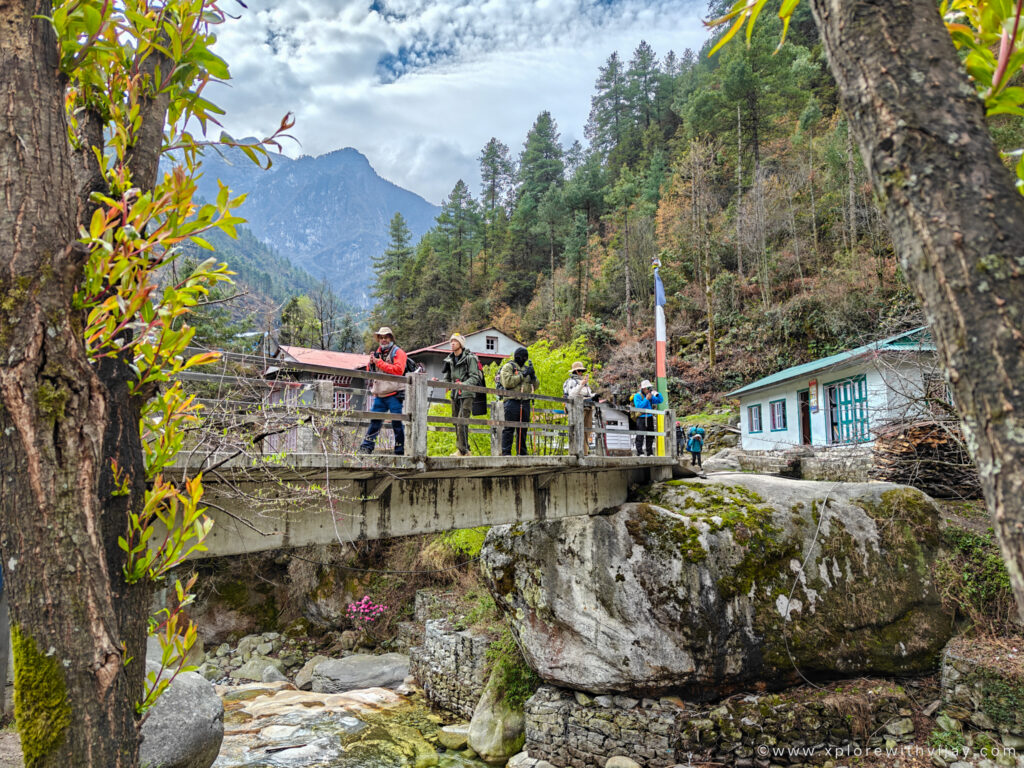
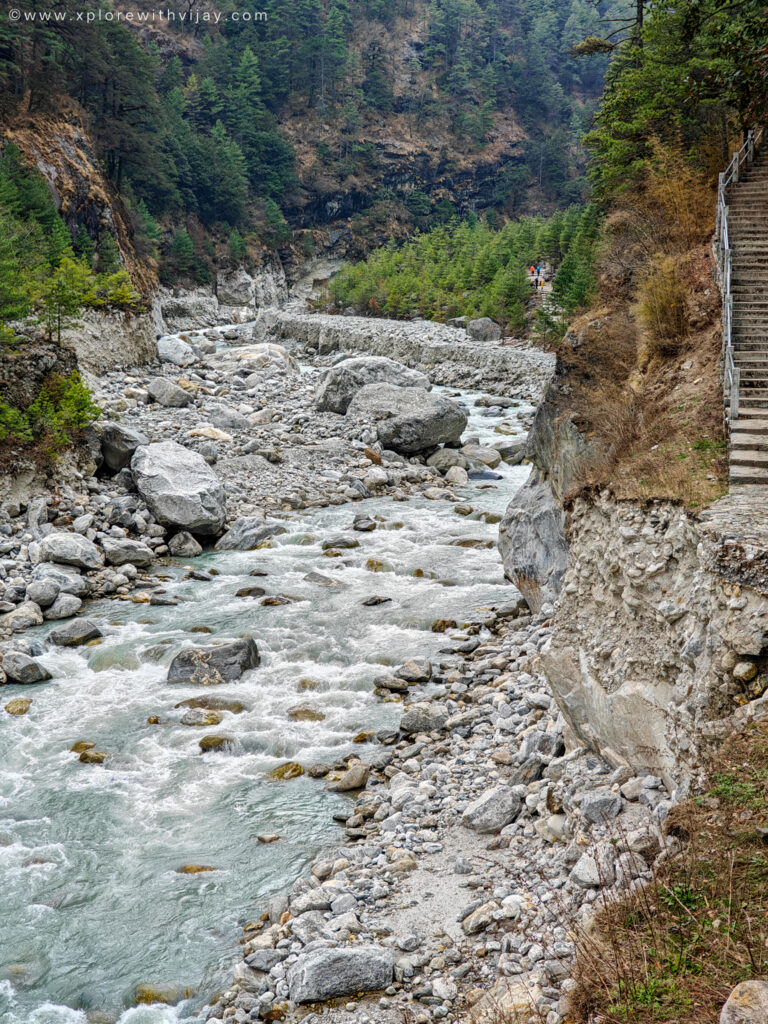
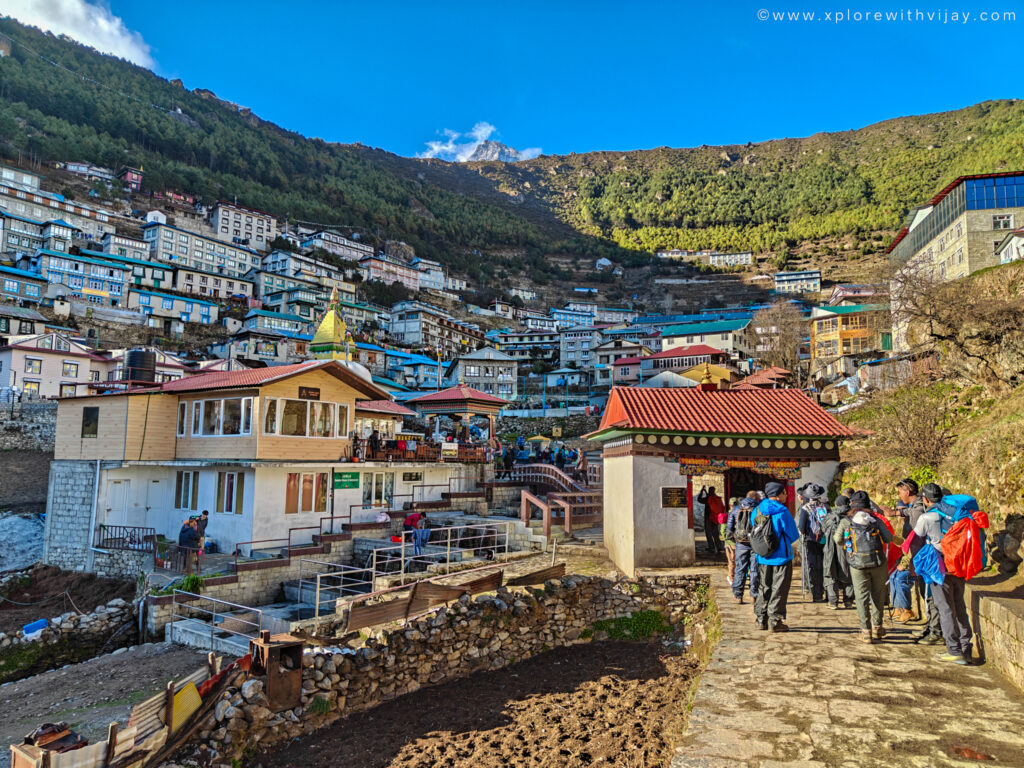
A lively, historic trading hub, filled with trekkers, small shops, and cozy teahouses. There’s a certain energy to Namche that’s hard to miss, part mountain settlement, part staging ground for bigger ambitions.
As we made our way into town, those fleeting views stayed with us. We checked into a teahouse for the night, settling in and taking it all in, knowing we had the next day to explore this fascinating mountain town.
Day 4: Acclimatization Day | Exploring Namche Bazaar
Waking up in Namche Bazaar was an experience in itself. The morning light slowly illuminating the Himalayan peaks outside our window felt almost like a personal show. A hearty breakfast followed soon after.
Today was all about slowing down, giving our bodies the time they needed to adjust to the altitude. The much-talked-about acclimatization day before heading higher.
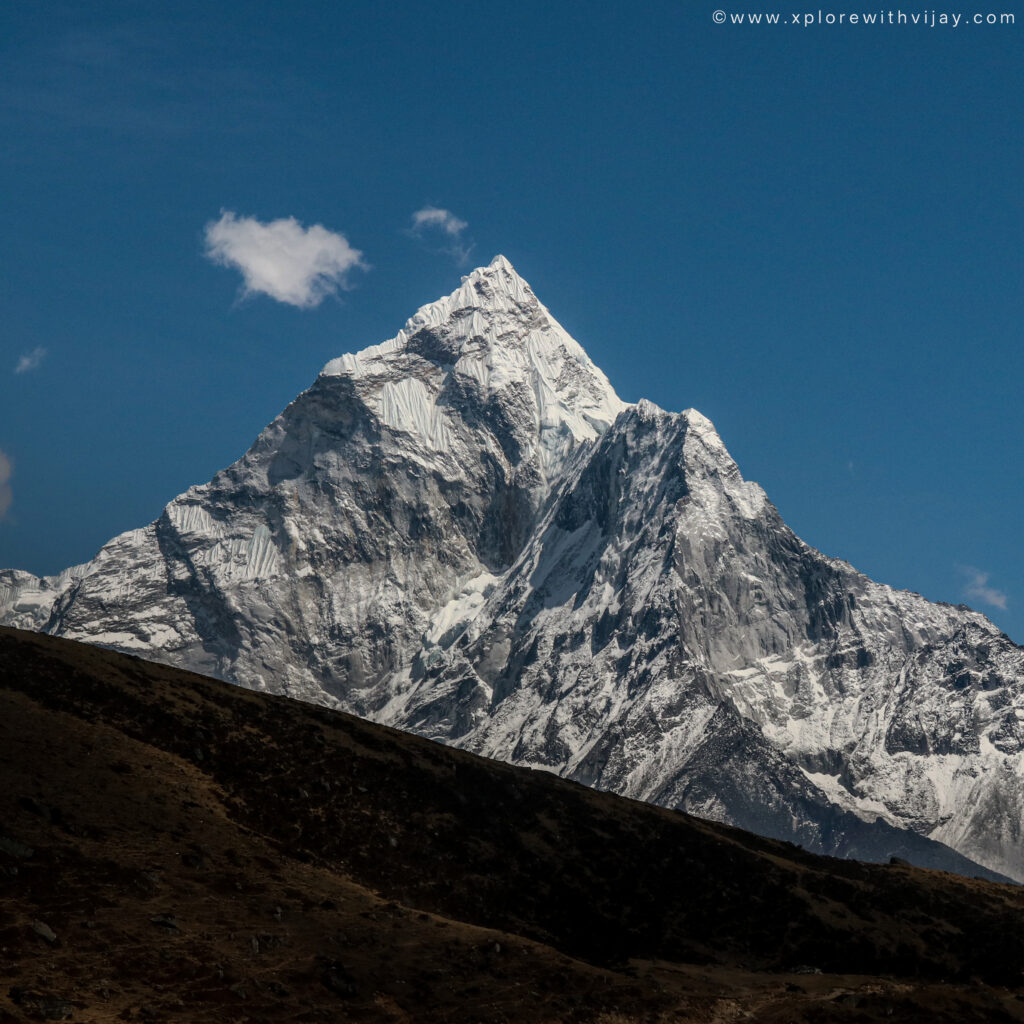
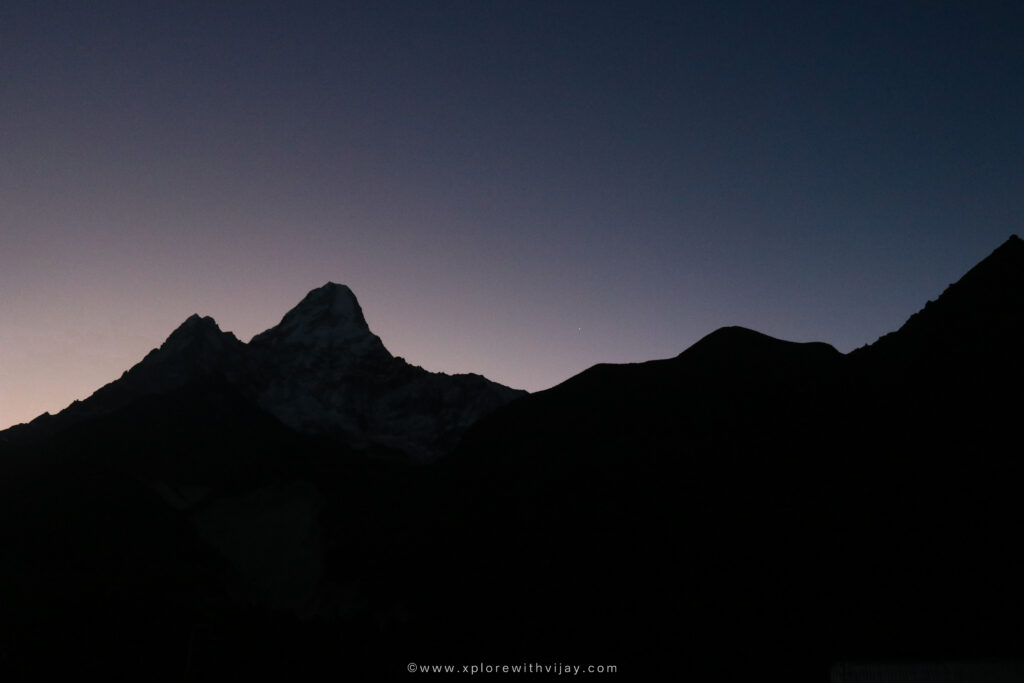
To keep things active, we set out on a short hike towards the headquarters of Sagarmatha National Park. The views from up there were truly rewarding, offering sweeping panoramas of Ama Dablam, Mount Everest, and a chain of towering peaks across the Khumbu region.
Right next to the headquarters sits the Sagarmatha Museum, perched slightly above the town. It was a fascinating stop, offering insights into the region’s geography, culture, and mountaineering history. Old photographs of Tenzing Norgay and Edmund Hillary, along with detailed maps of early expeditions, brought those legendary climbs to life.
Later in the day, we pushed a little further, hiking up to Hotel Everest View. It was a steady climb, but absolutely worth the effort. The views opened up beautifully – Mount Everest, Ama Dablam, and several surrounding peaks stood in clear sight.
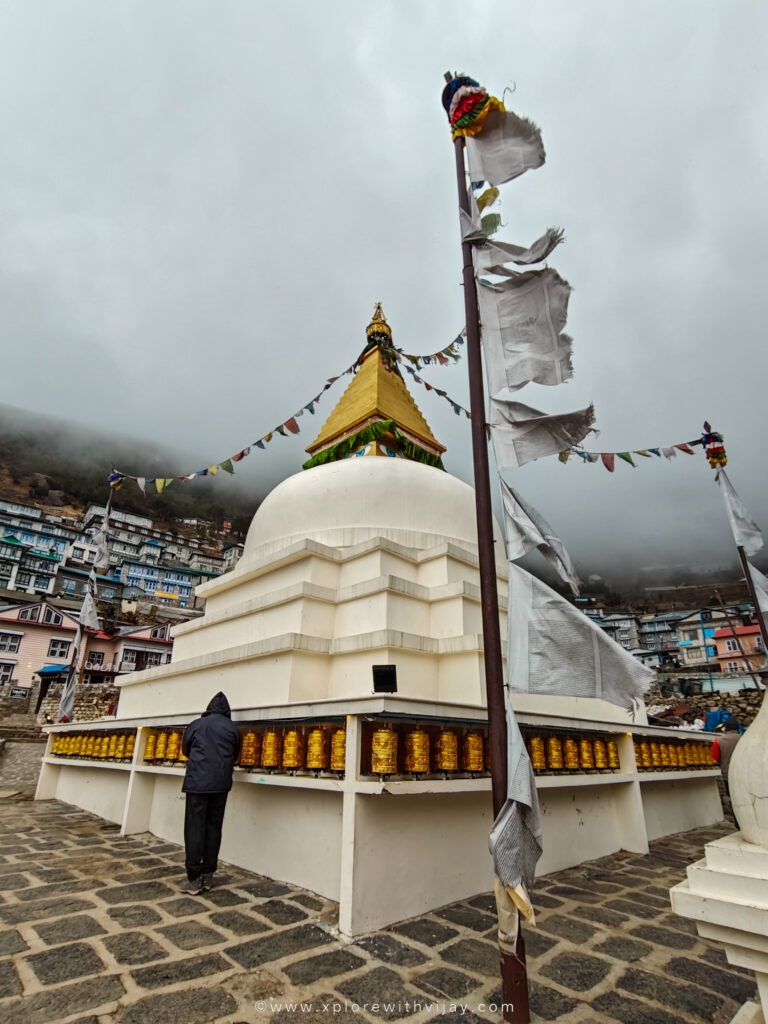
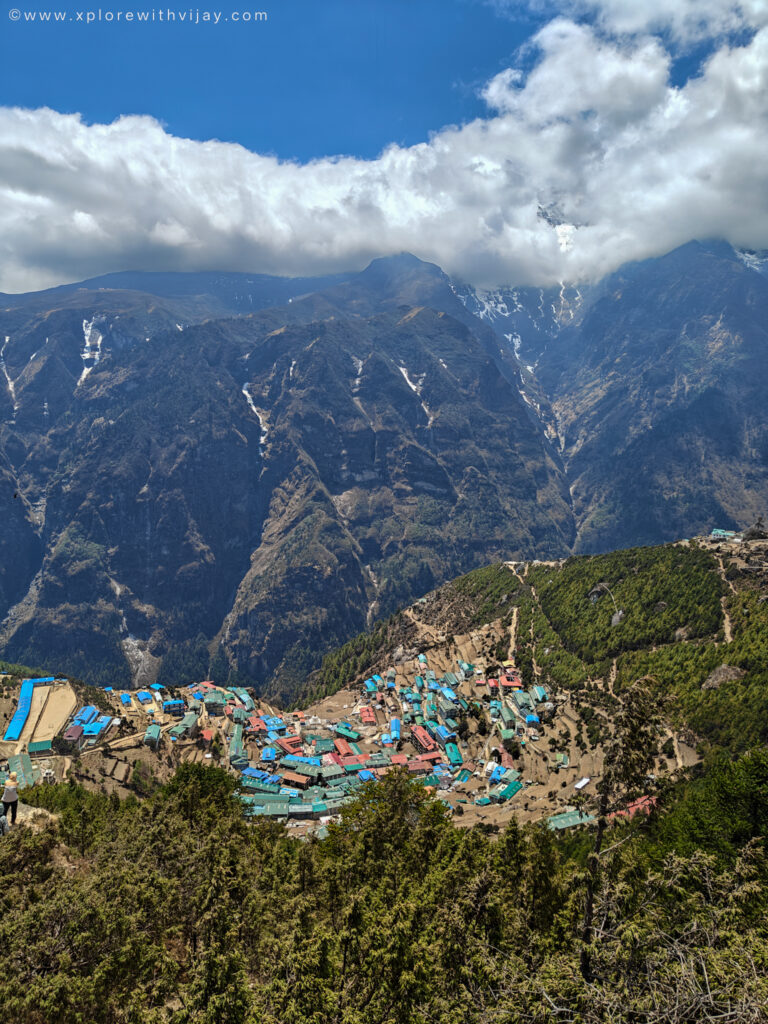
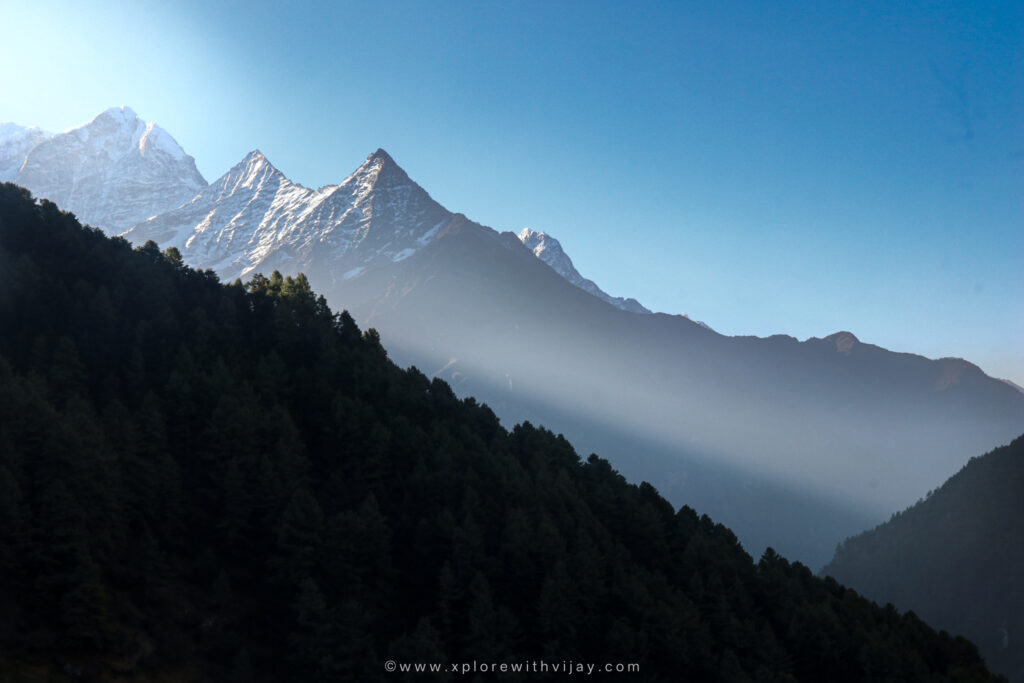
As evening approached, we took it easy, walking through the vibrant market area. These relaxed movements were all part of the acclimatization process, letting the body adapt gradually.
By nightfall, we settled back into our teahouse, feeling more in sync with the rhythm of the mountains, and ready for what lay ahead.
Day 5: Namche to Tengboche – Views and Vistas
After another good breakfast in Namche Bazaar, we set out for what I knew would be one of the most visually rewarding days of the trek – journey to Tengboche.
It’s a slightly longer trail, but overall a comfortable walk. And throughout, the views keep you company.
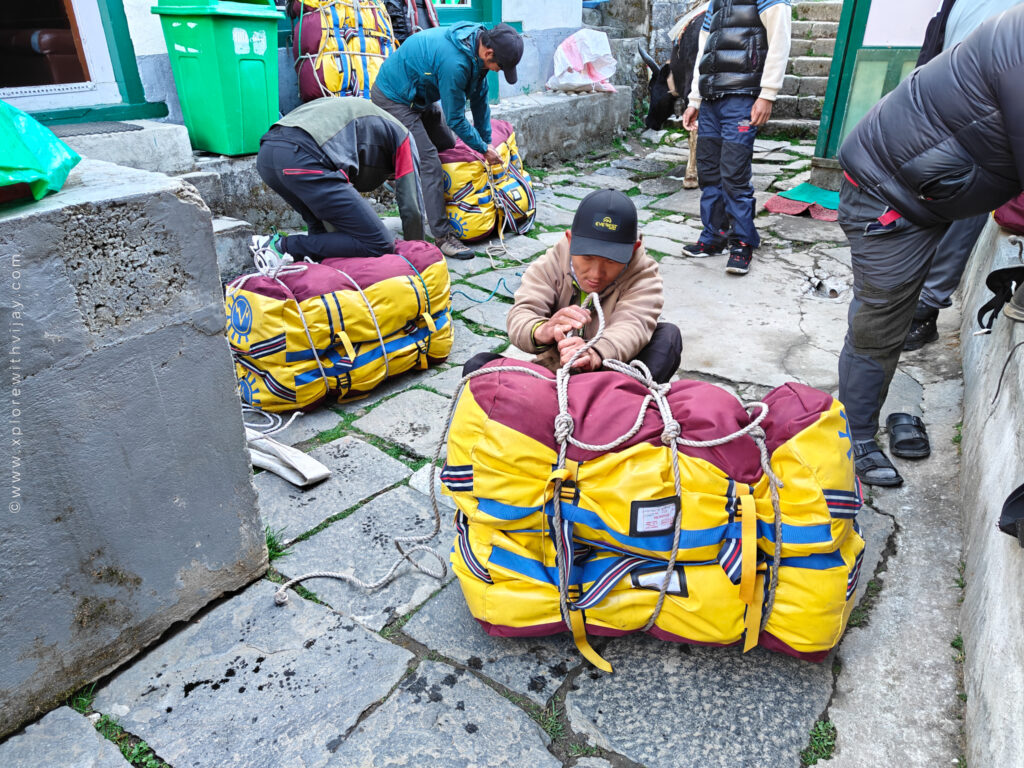
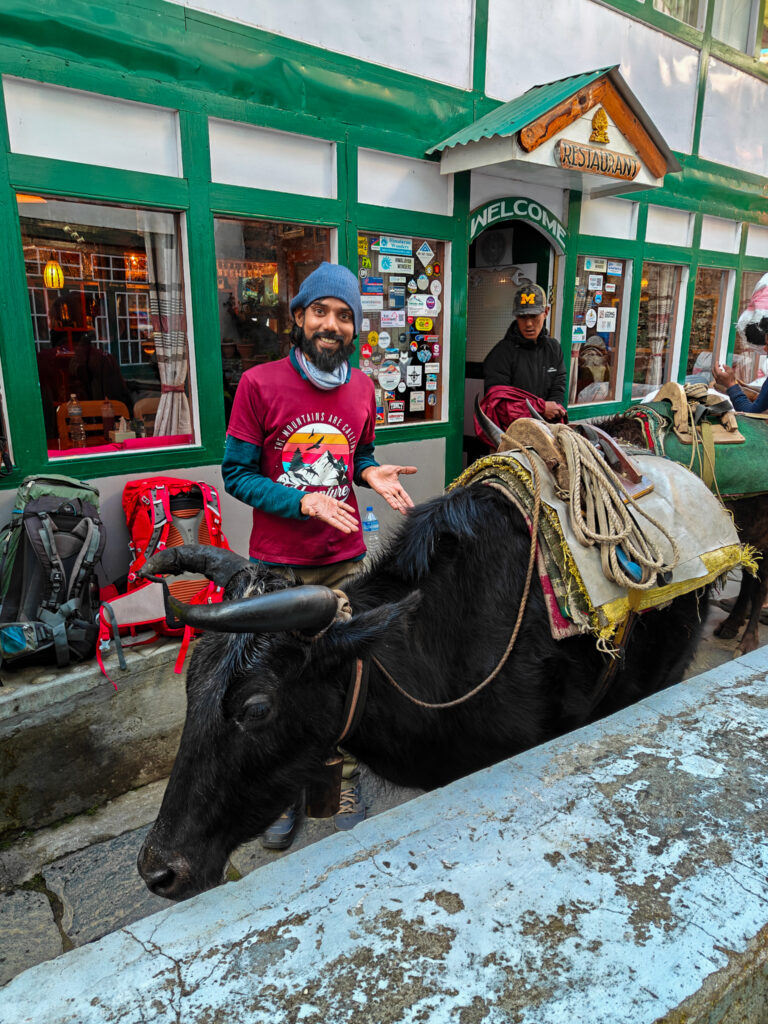
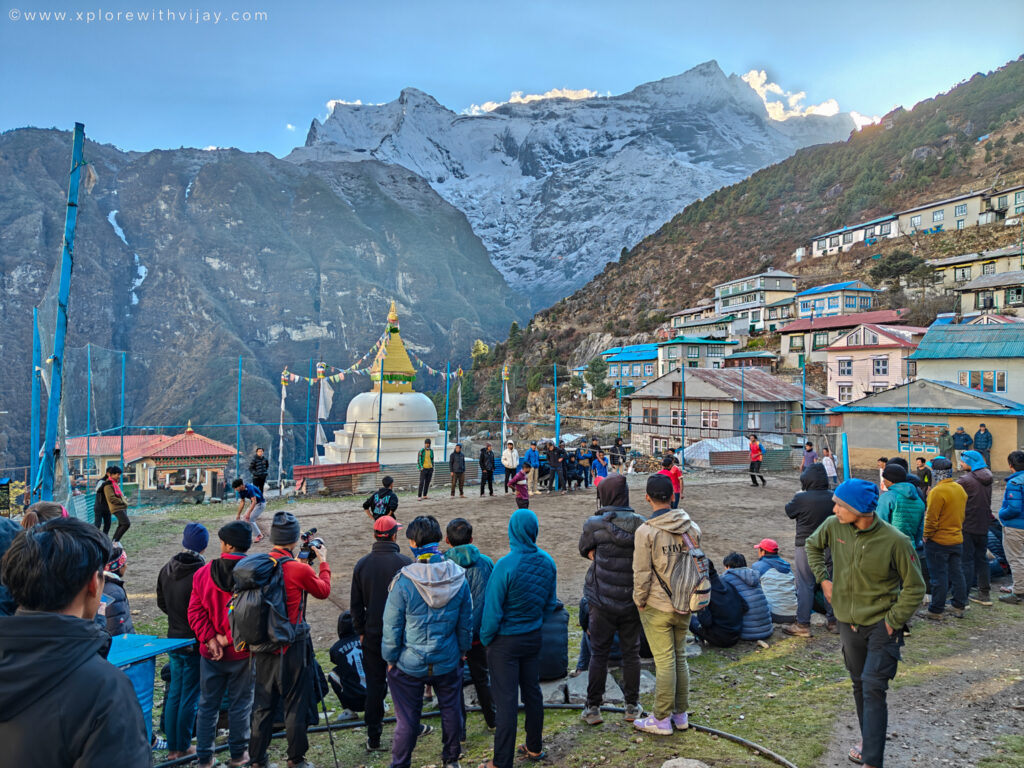
Tengboche sits in a beautiful alpine setting at around 3,860 meters. The trail from Namche begins gently, easing you into the day. But very quickly, it starts to open up, and that’s when the real magic begins.
As we moved along, we had clear views of the Dudh Koshi River far below, winding its way through the valley. And ahead of us, the mountains kept revealing themselves, one after the other.
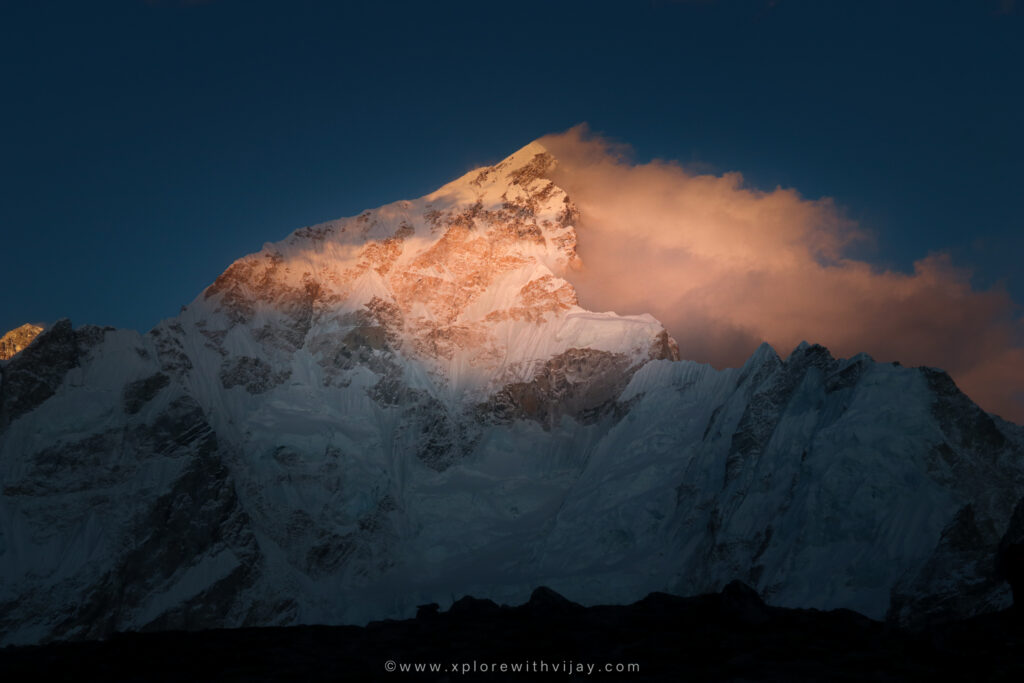
Thamserku, Kangtega, Ama Dablam, Lhotse, and Mount Everest, each one coming into view gradually.
At times, it genuinely felt like walking through a postcard.
Our destination for the day was set in a wide open space with towering peaks all around, the place immediately stood out.
At the heart of it sits the Tengboche Monastery, locally known as Dawa Choling Gompa, the largest monastery in the Khumbu region, overlooking the valley.
There was a certain calmness to the place.
We reached just in time for the evening prayers.
Inside, the atmosphere felt completely different. The steady chanting, the soft glow of butter (yak butter) lamps, and the quiet presence of the monks. It all came together in a way that didn’t need explanation. It was something we just had to sit through and experience. After the prayers, we made our way to the teahouse, settling in for the night, surrounded by mountains that had already started to feel familiar.
Day 6: Tengboche to Dingboche
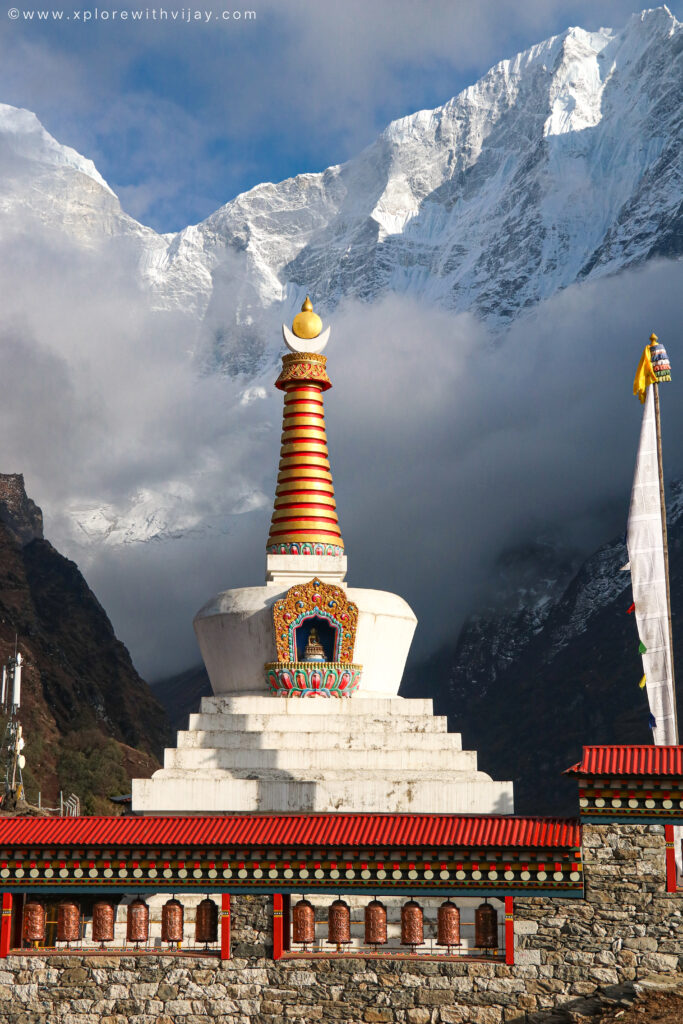
The day began with clear blue skies and snow-capped peaks all around, with Mount Everest visible in the distance. It was yet another chance to take in the beauty of Tengboche Monastery before moving on.
What followed was an extended photo session, moments that would stay with us for years.
Today’s hike marked an important transition. The trail gradually climbs into the alpine meadow zone.
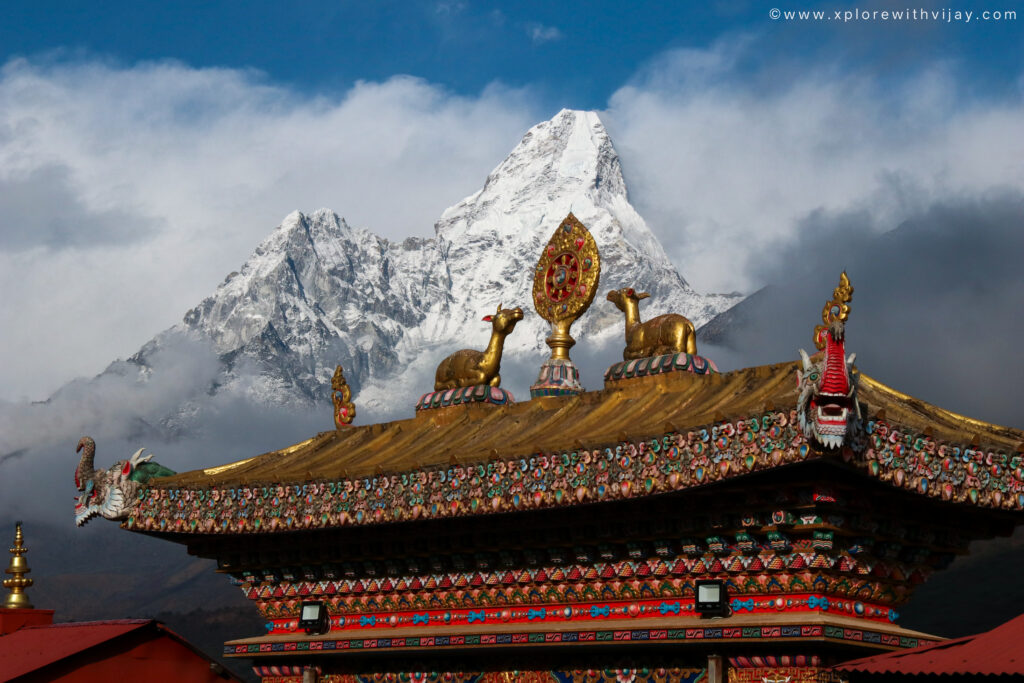
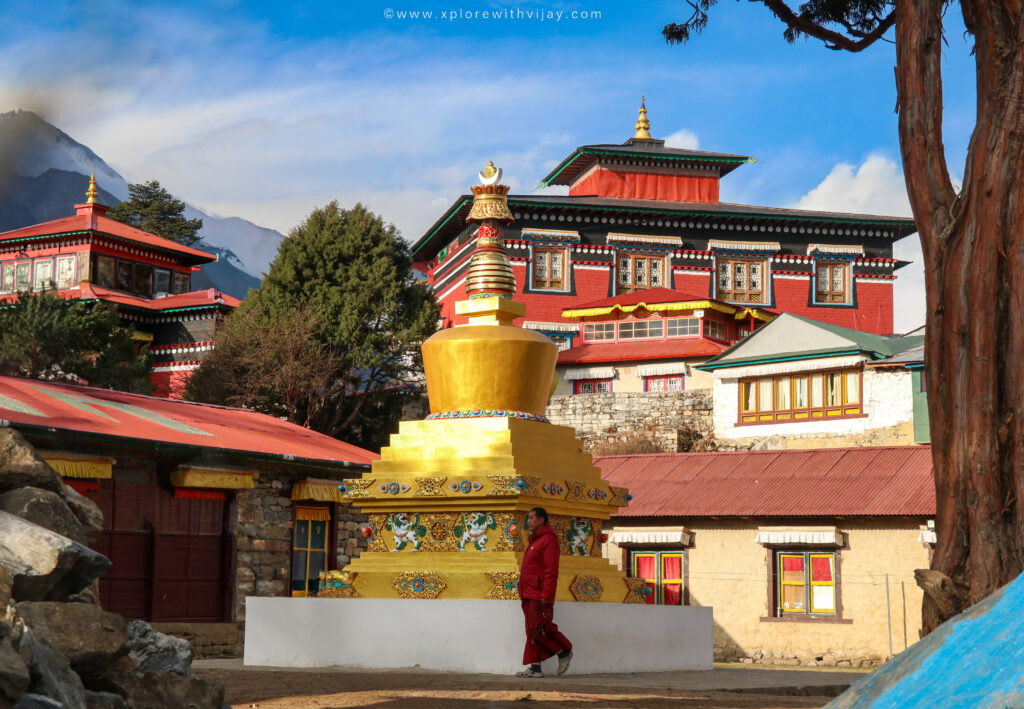
Covering roughly 12 km with an altitude gain of about 1,500 feet, the day can be broadly split into two parts.
The first stretch was relatively easy, passing through beautiful rhododendron forests. About halfway through, we reached a small settlement called Deboche, our first proper halt for refreshments and lunch.
Beyond this point, the trail began a steady ascent.
About an hour into the climb, the landscape started to change noticeably. The tree line slowly faded away, giving way to wide, open alpine meadows. And dominating the view was Ama Dablam. Now much closer, standing tall and unmistakable.
With the disappearance of trees came thinner air.
The oxygen levels were noticeably lower, a reminder of the altitude we were gaining, and the need to stay mindful of mountain sickness. The pace naturally slowed, and every step felt more deliberate. It was a long day.
As we approached Dingboche, there was a clear sense of relief. From a distance, the settlement looked striking in its own way. Despite the absence of trees, the landscape had character, fields neatly divided by stone walls, giving it a distinct pattern.
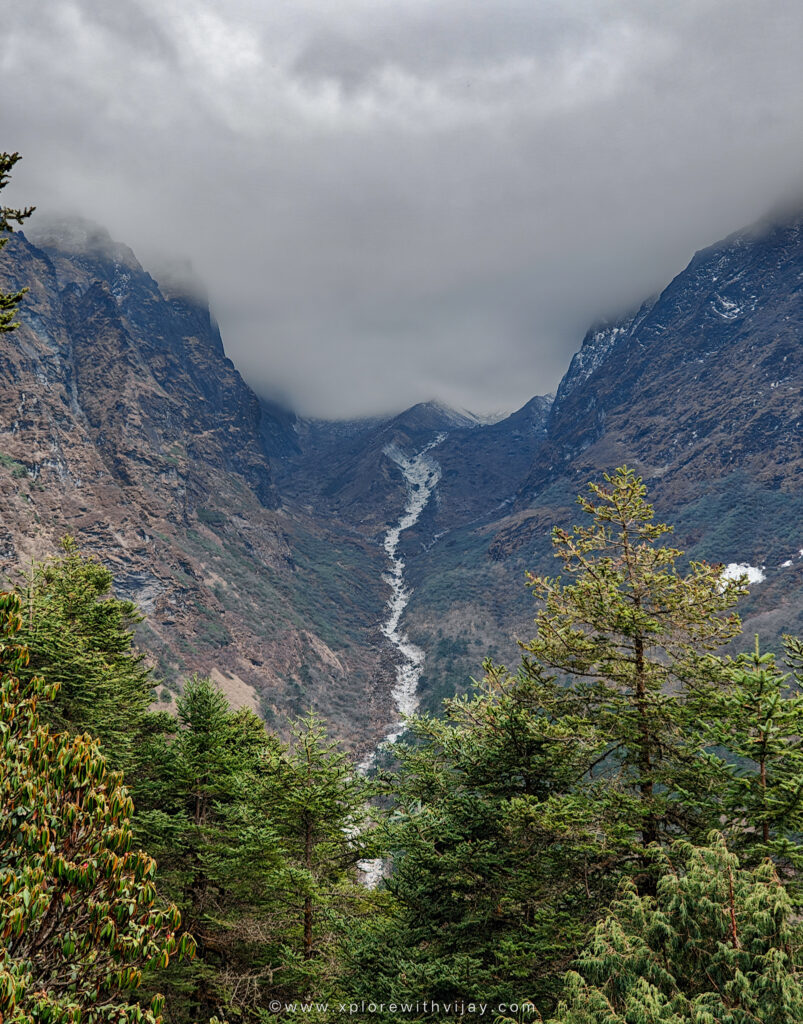
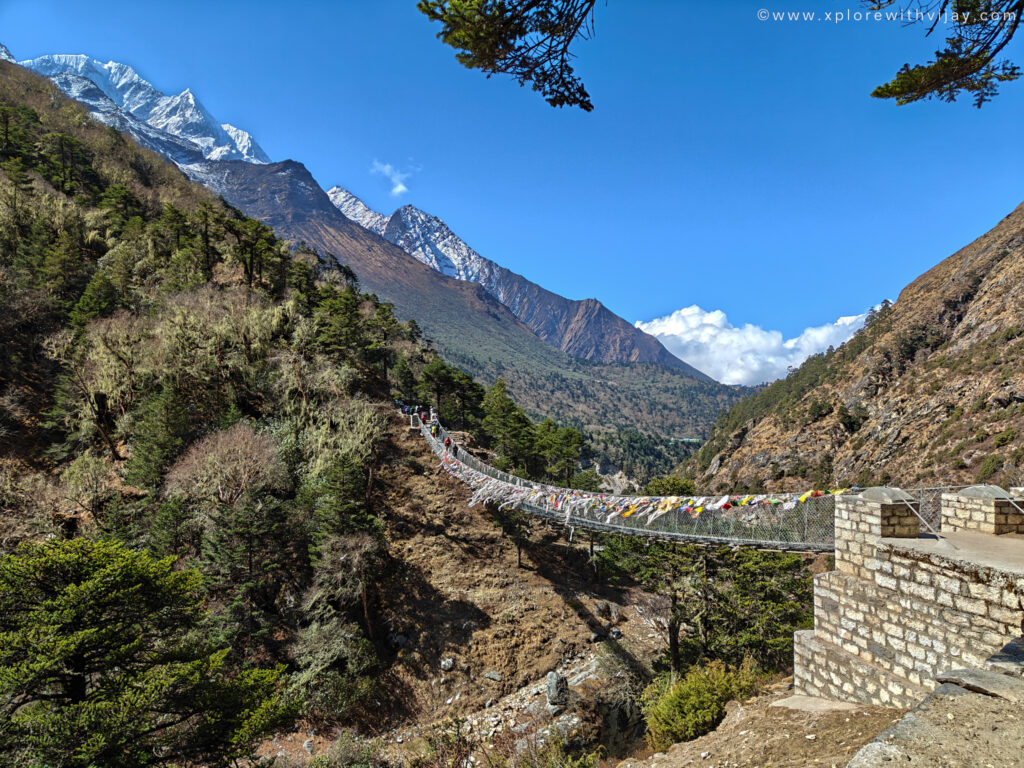
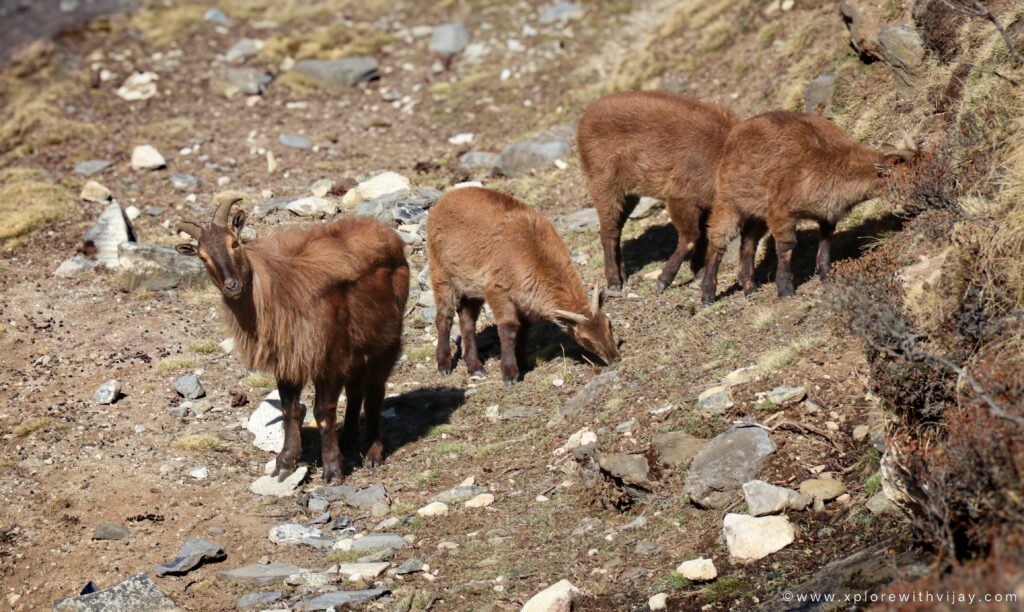
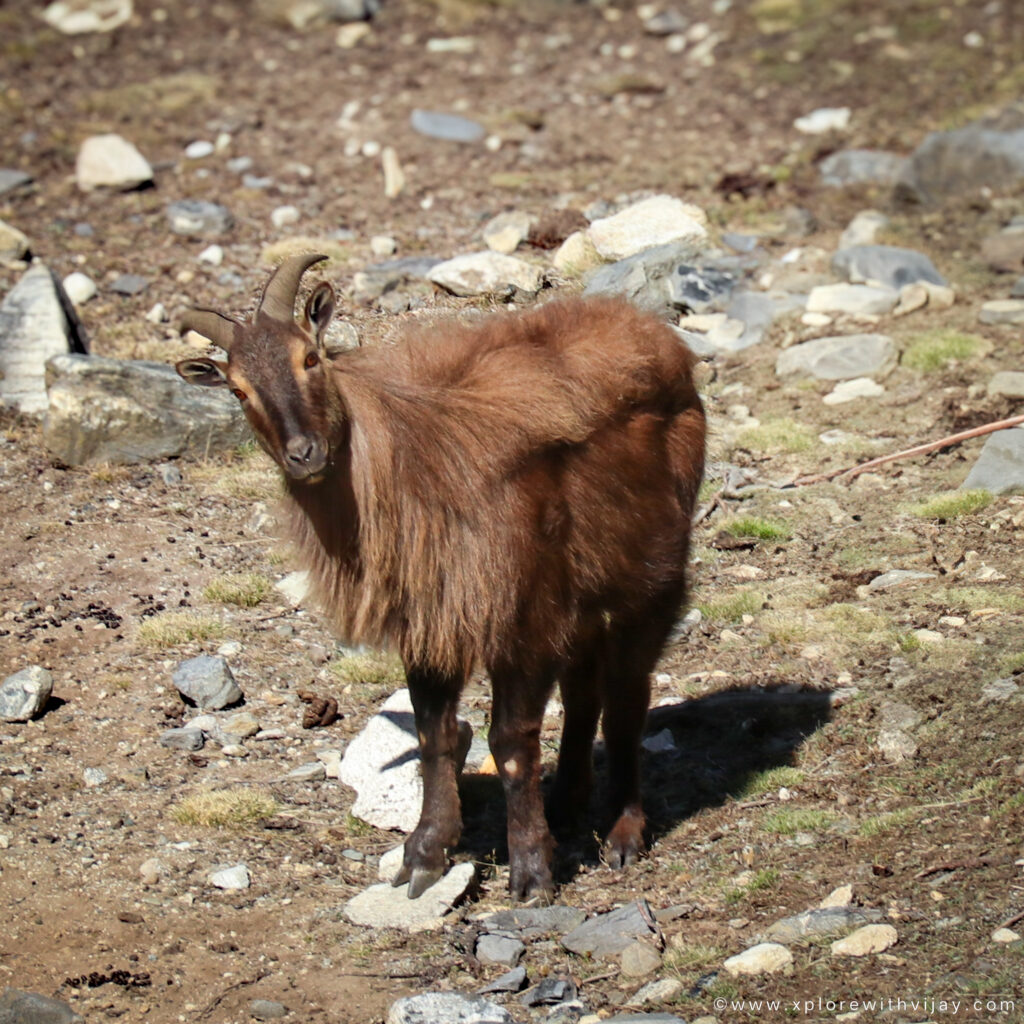
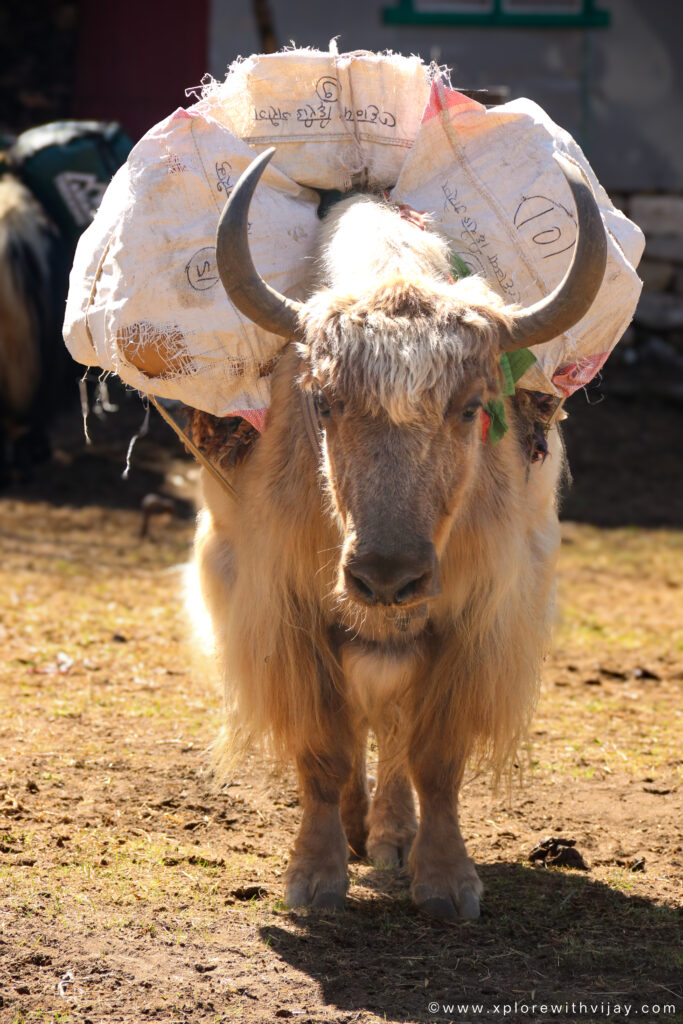
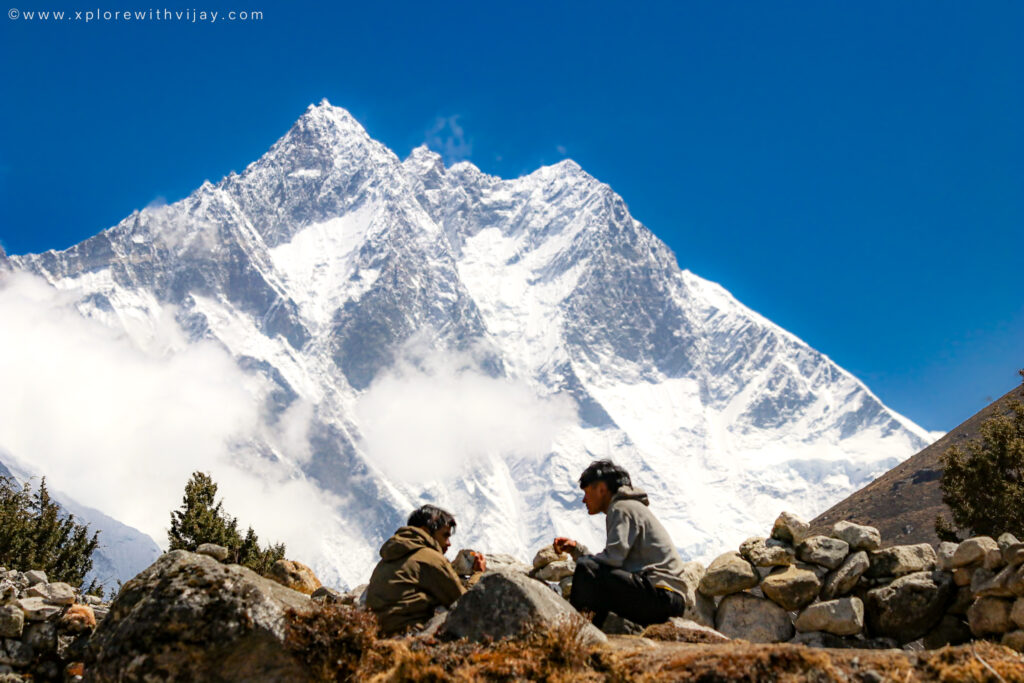
Dingboche is also one of the few places in the Khumbu region where barley is cultivated.
By now, we had reached an altitude of around 14,000 feet.
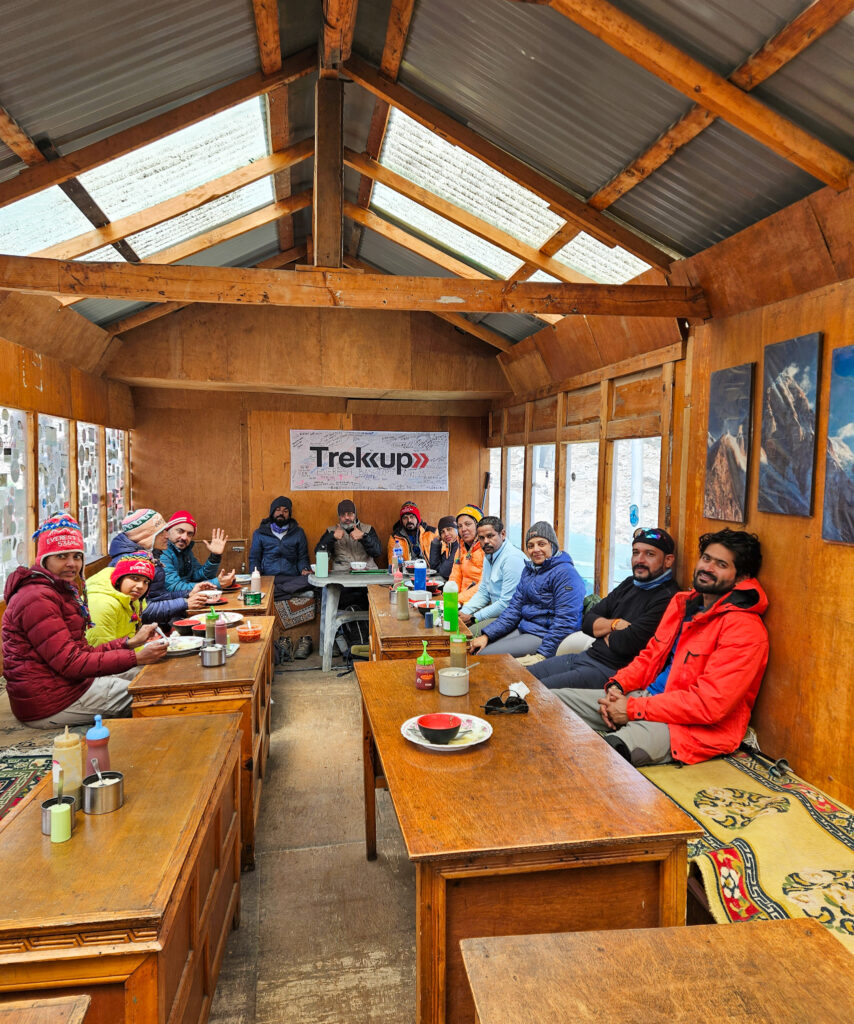
Back at the teahouse, the warmth of the common dining area felt almost luxurious after a long day out in the cold.
As night set in, temperatures dropped quickly, likely below freezing. It took some time to get comfortable in the sleeping area, waiting for the warmth to build up enough for a decent night’s rest.
Day 7: Dingboche (Rest Day) | Acclimatizing to Higher Altitudes
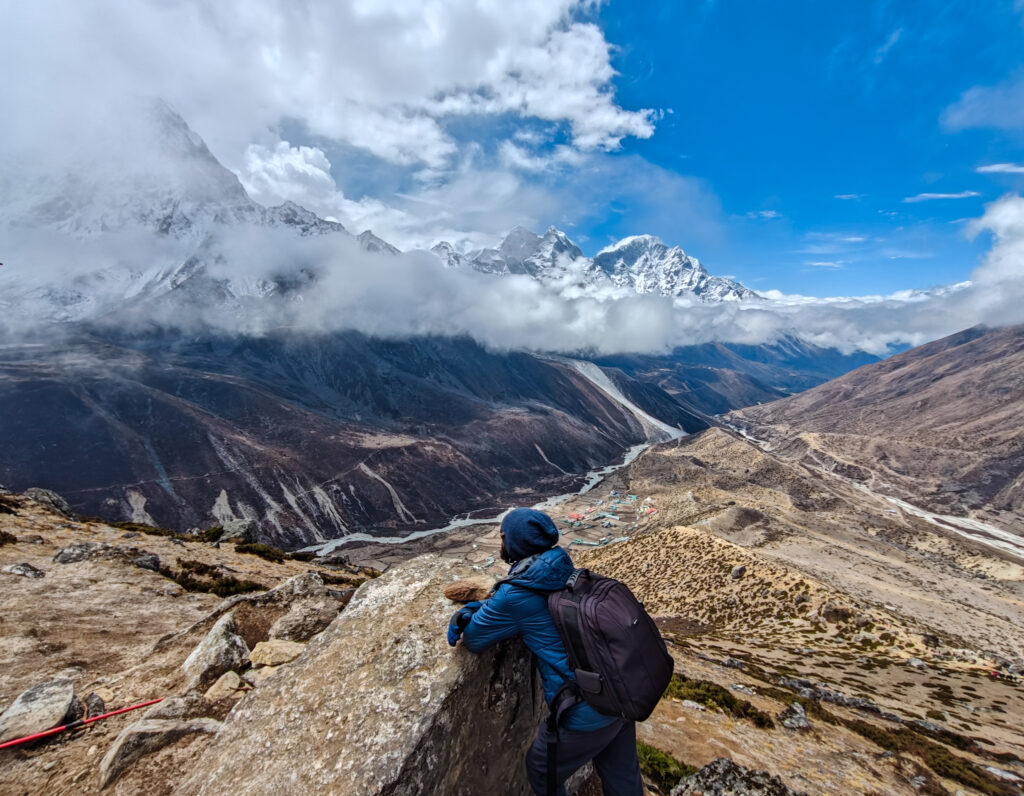
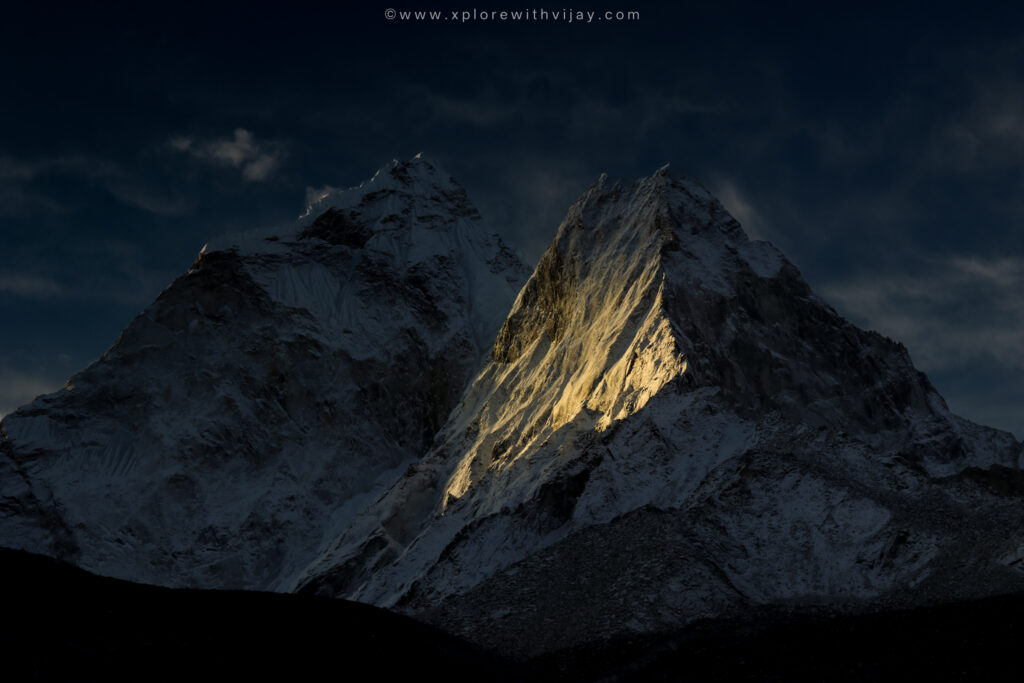
We woke up to fresh snowfall. The entire landscape had changed overnight, everything covered in white. And right in front of us stood Ama Dablam, looking even more imposing against the snow-filled backdrop. It was a striking sight.
Today was a rest day, meant purely for acclimatization.
At these altitudes, the body needs time to adjust to lower oxygen levels. Staying idle doesn’t really help. Remaining active, even if only slightly, is important.
There’s a simple principle often followed at such altitudes: climb high, sleep low.
The idea is to gain some altitude during the day and return to a lower point to rest. Short hikes to nearby viewpoints are usually enough. This gradual exposure helps the body adapt to thinner air, reducing the chances of altitude-related issues like headaches, nausea, and dizziness.
The mountains have their own way of keeping things in check.
Past experience doesn’t guarantee anything here.
Despite having an experience of 12 Himalayan treks, I started feeling off. Something didn’t feel right. There was no appetite, but I still made sure to eat.
As the night progressed, the discomfort stayed.
Sometime around midnight, I threw up. The food clearly hadn’t gone down well. I felt weak, shivering slightly in the cold, and low on energy.
This was one of those phases. Where one must not overthink, but just deal with it.
I knew I had to take one step at a time, get through the night, and hope things settle by morning.
I got back to my bed and tried to rest.
Day 8: Trek from Dingboche To Lobuche
The next morning, I shared everything that had happened with my trek guide. Having gone through similar phases in earlier treks, I knew this was something I could recover from.
The team geared up for the day ahead. But I had very little energy.
From the very start, it felt like a long day.
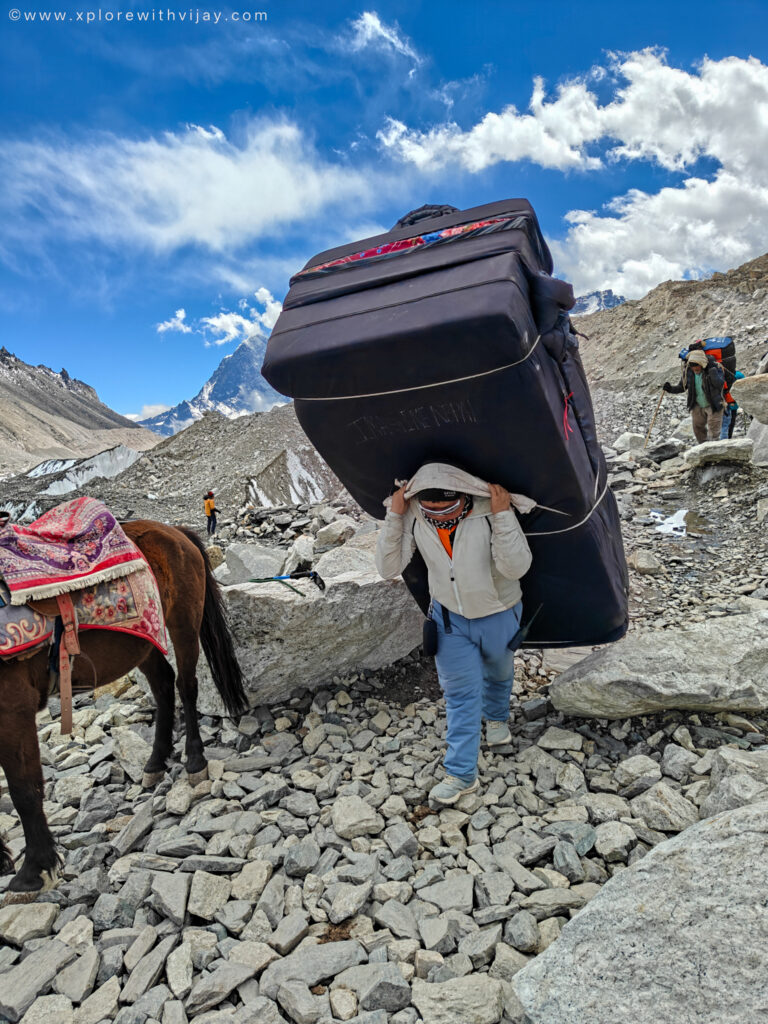
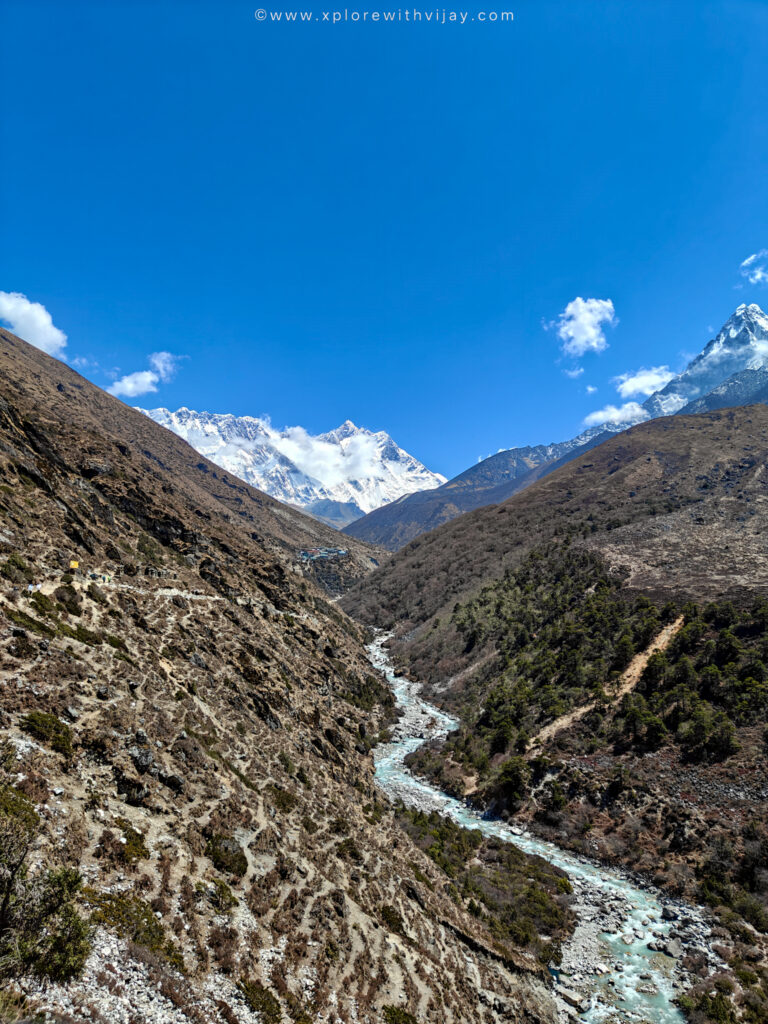
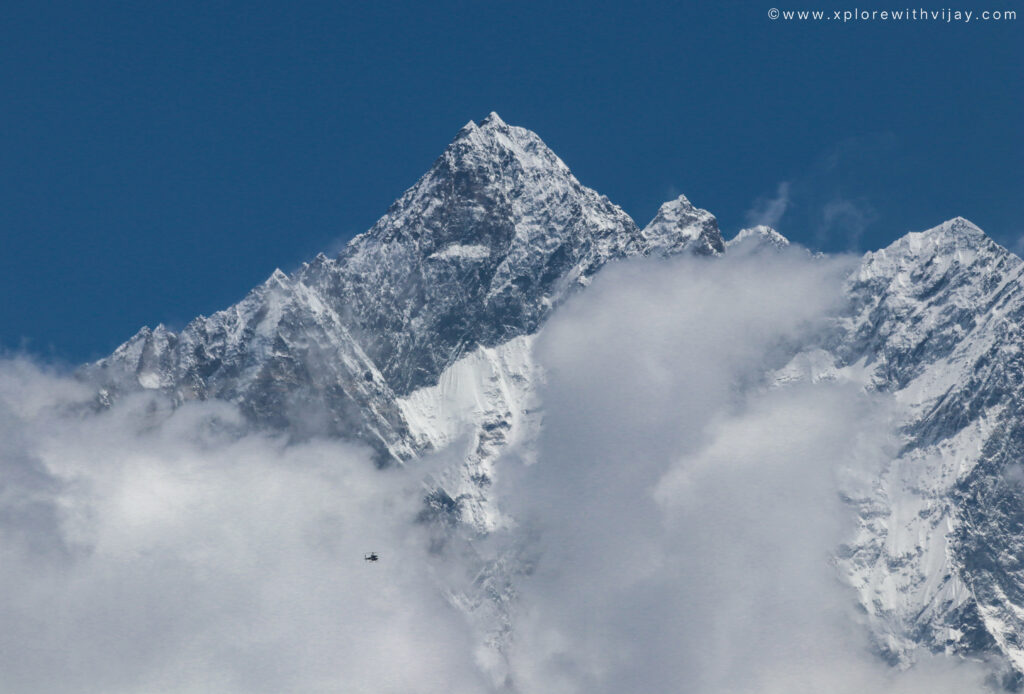
Today’s hike turned out to be one of the most gruelling stretches of the entire trek. I felt drained, barely able to keep my eyes open. The dry, barren landscape only made it harder. Every step needed effort.
I was trailing the group by quite a distance. But I kept moving.
Slowly, step by step, I made my way to the halfway point, a place named Pheriche. It was a much-needed break. While others stopped for lunch, I lay down for a short nap and managed to get in some simple food.
Beyond this point, the trail became more demanding as we moved towards Thukla.
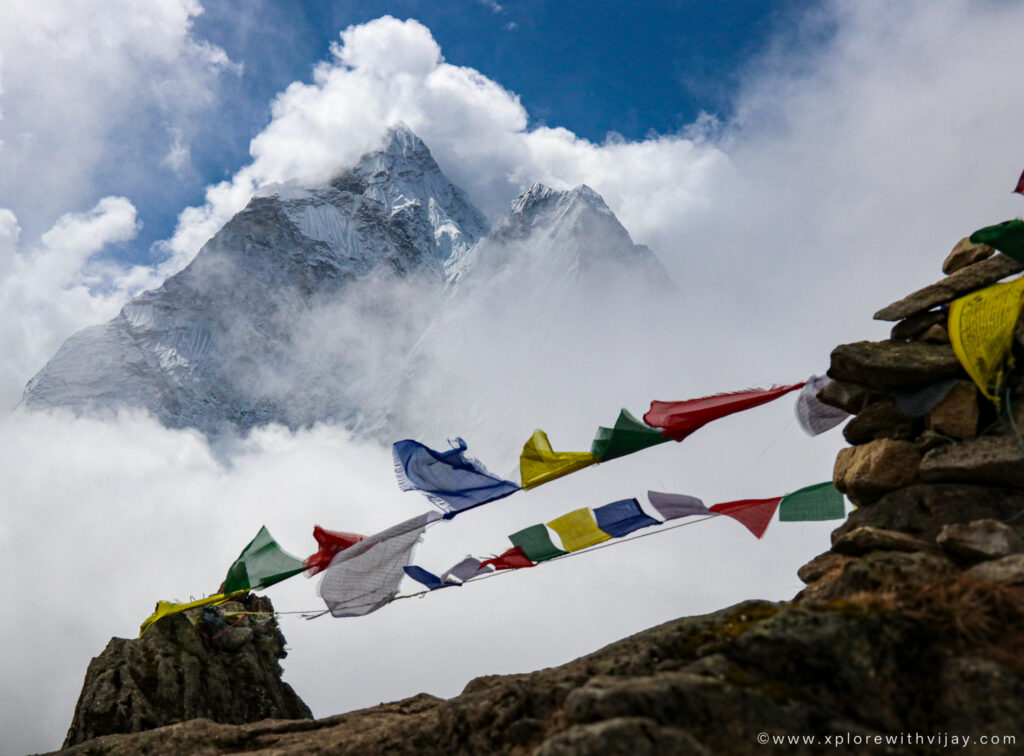
The climb to Thukla Pass was steep and relentless, zig-zagging up a rocky moraine. Along the way stood memorials marked by stone cairns and prayer flags. These are built in memory of climbers and Sherpas who lost their lives on Everest.
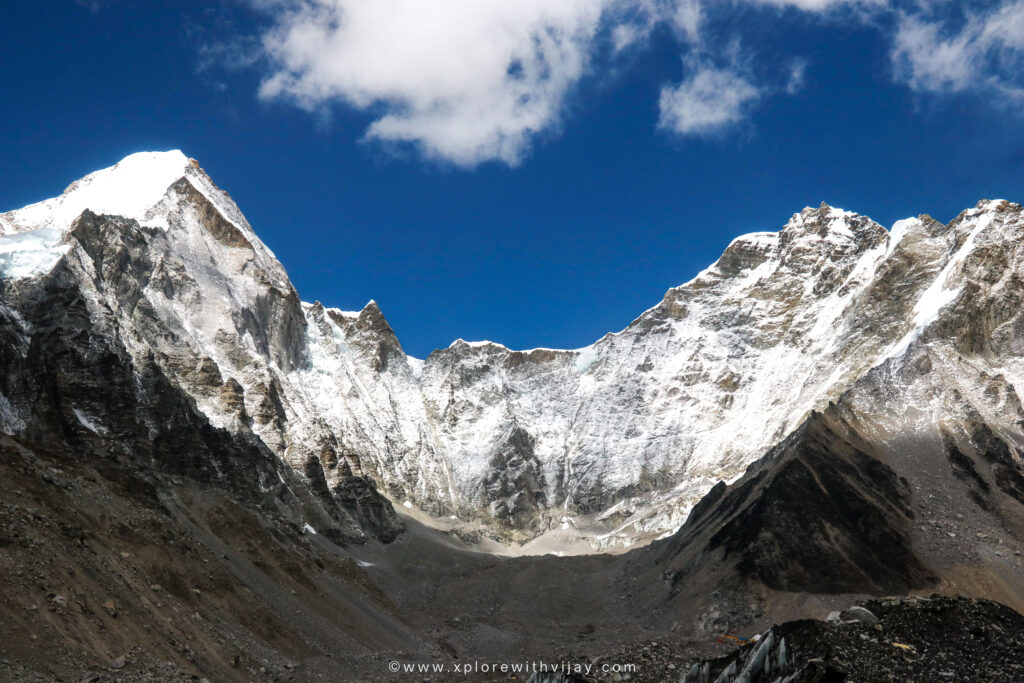
From the pass, the trail eased out slightly, running alongside the Khumbu Glacier. The terrain here felt stark and almost unreal. Dry, rocky, and vast, with snow-covered peaks rising in the distance.
The final stretch to Lobuche was a gradual climb. By the time I reached, I was completely drained.
But I made it. And this was exactly what I had spoken about earlier.
At high altitudes, strength isn’t just physical. It’s about staying mentally steady when your body isn’t keeping up. Physical fitness helps, but it’s the mental side that carries you through days like this.
As night fell, we were at around 16,000 feet, with temperatures well below freezing.
And yet, despite everything the day had taken out of me, I had one of the most satisfying sleeps of the entire trek.
Day 9: Lobuche to Gorakshep | Everest Base Camp
I felt better that morning.
The energy was back.
It’s hard to explain that shift, but I could feel it.
After what I had gone through the previous day, this felt like a complete turnaround. There was a sense of relief. But more than that, an excitement. This was the day we had all been waiting for.
The day we would reach Everest Base Camp.
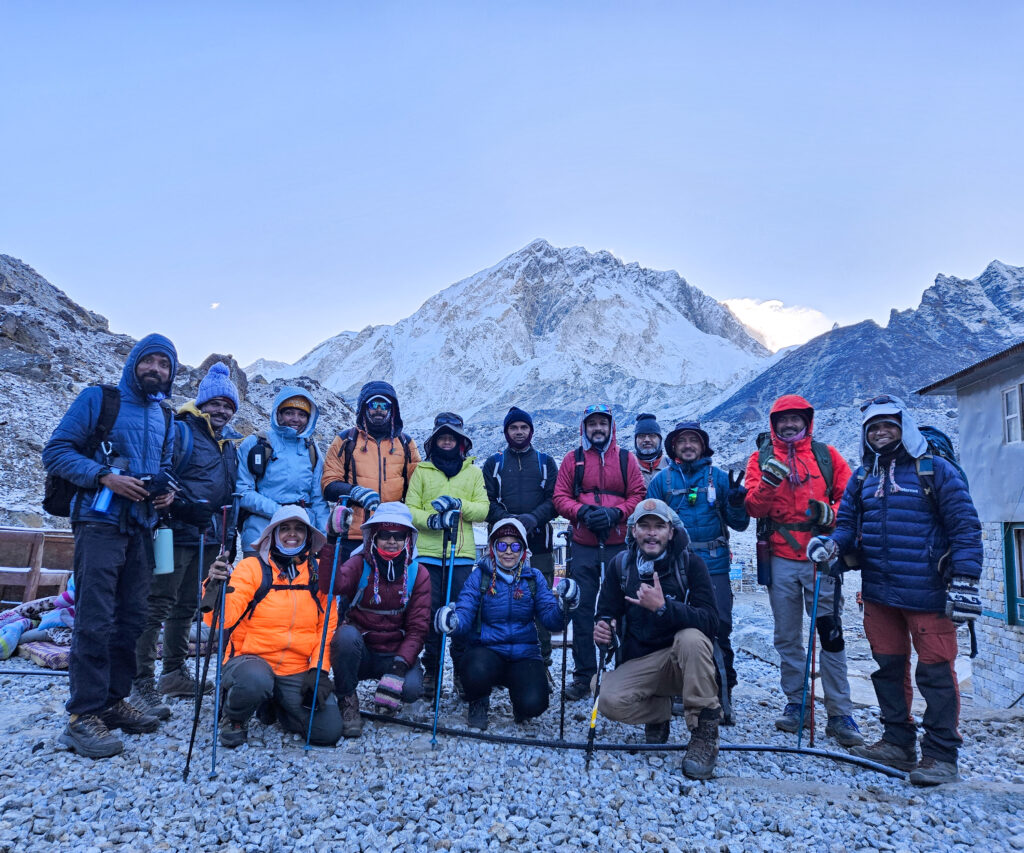
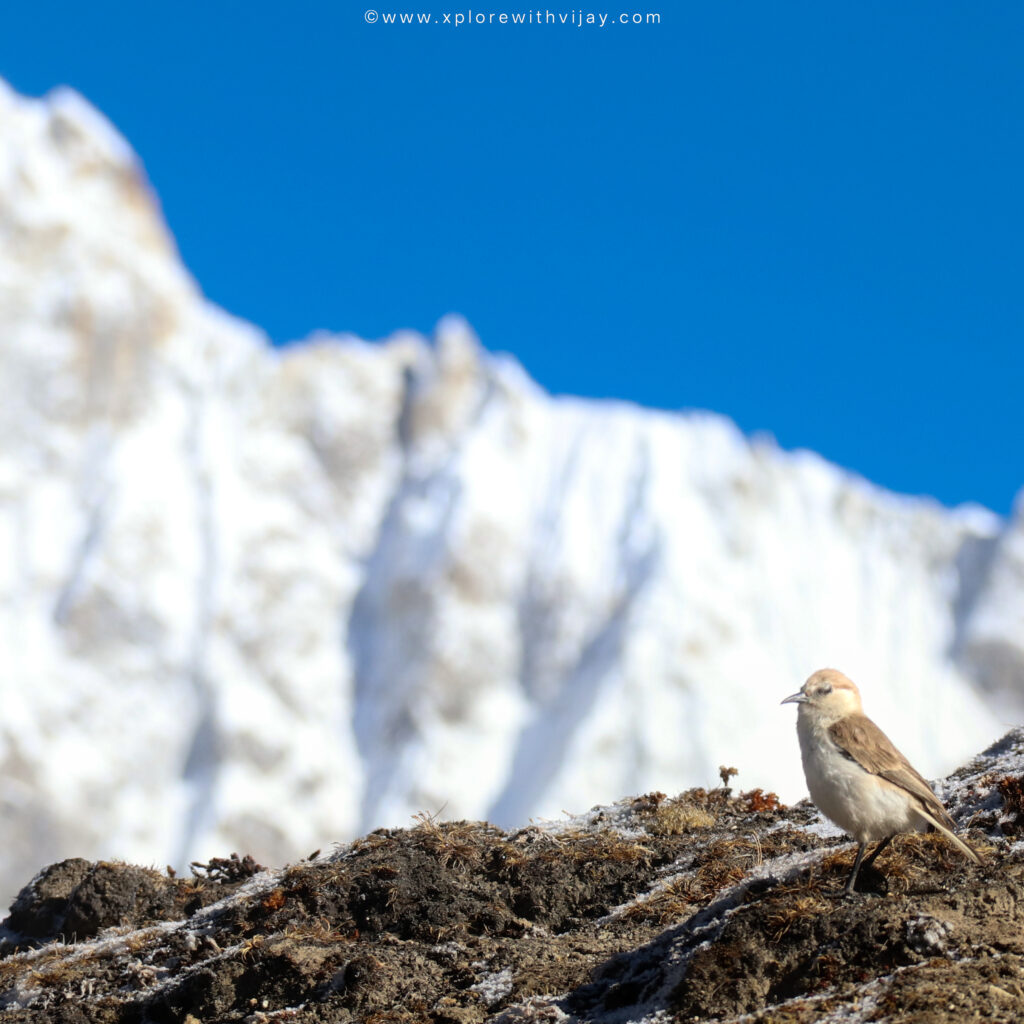
After breakfast at Lobuche, we began our hike towards Gorak Shep. The trail started off with sandy and rocky stretches, gradually gaining elevation as we walked alongside the Khumbu Glacier.
The terrain kept changing. Uneven, rugged, with constant ups and downs. The final stretch before Gorak Shep cut across glacial sections, demanding careful footing.
We reached Gorak Shep by late morning.
There was a sense of urgency now. We checked into the guesthouse, had an early lunch, and quickly got ourselves ready. No one wanted to slow down today. The next leg was what we had all come for.
The hike to Everest Base Camp began.
We continued along the edge of the glacier, steadily gaining altitude. The climb wasn’t very steep, but the altitude and terrain made sure you stayed focused – loose rocks, sandy patches, and occasional slippery sections.
With every step, the anticipation kept building.
As we crossed the 17,000 ft mark, the Khumbu Icefall came into clearer view. Massive, broken, and slowly moving through the valley.
Further ahead, prayer flags appeared, fluttering against the cold wind.
And then, the moment.
The Everest Base Camp rock.
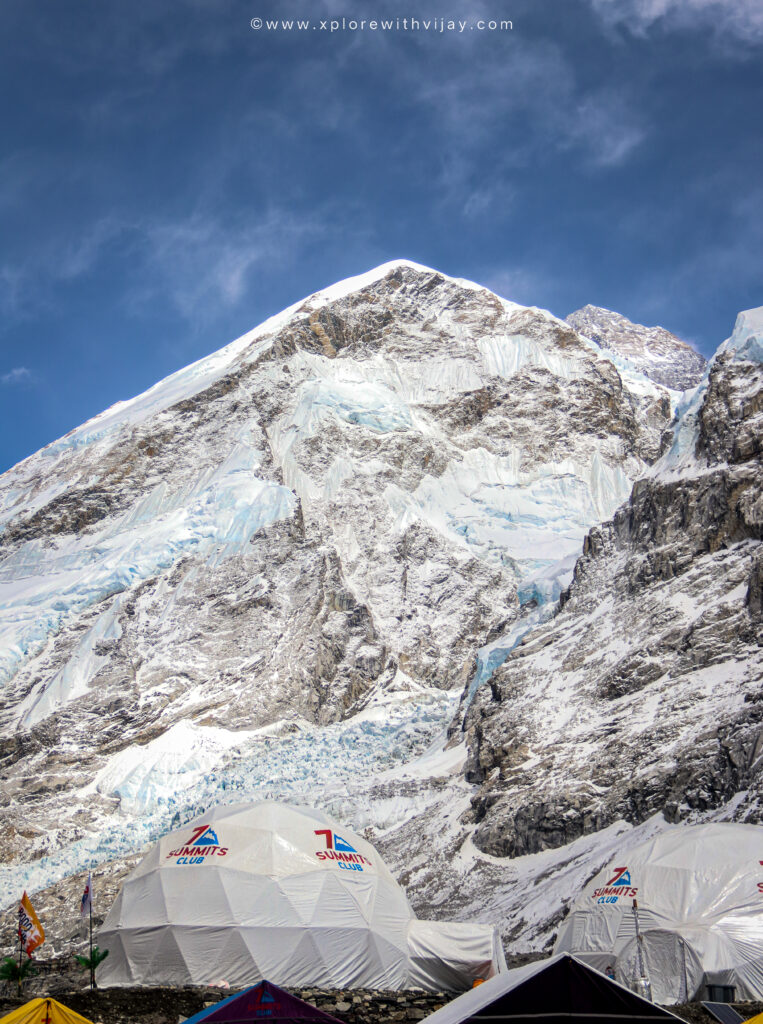
Why blue? It’s all about how light moves through super-dense ice. Over time, glacier ice gets compressed and loses all the tiny air bubbles. This dense ice absorbs the red and yellow light, and what bounces back is mostly blue. That’s why those icy patches almost seem to glow from the inside, especially when there’s a bit of meltwater nearby.
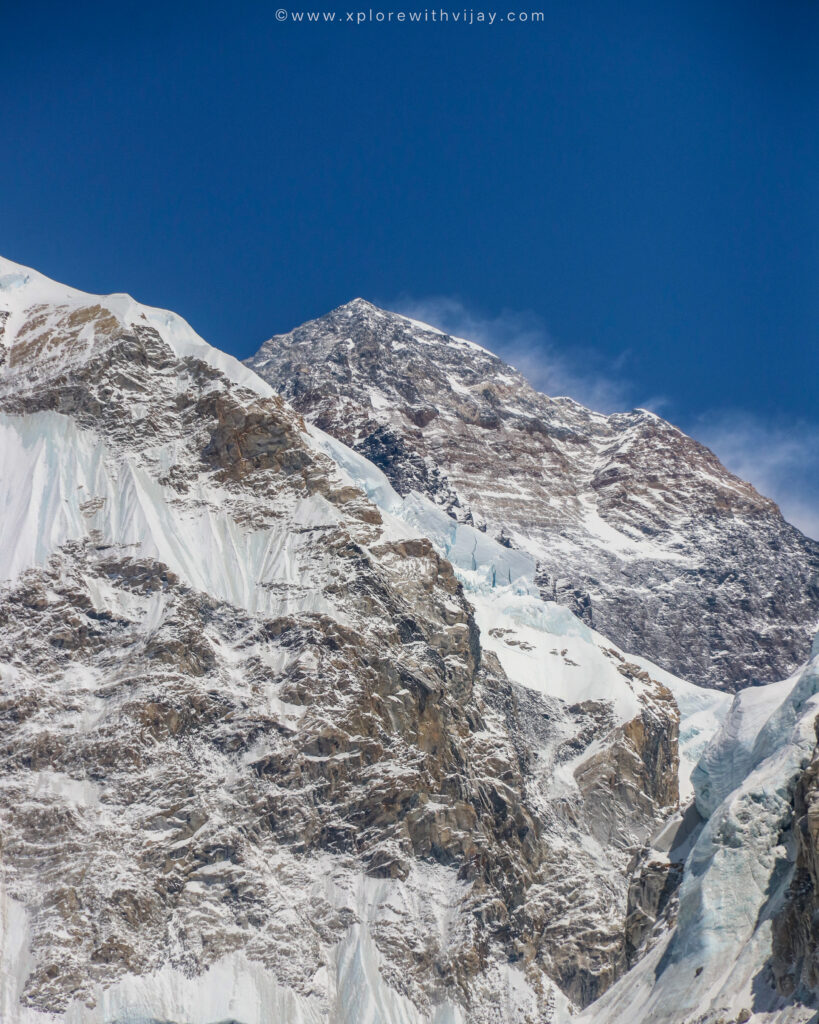
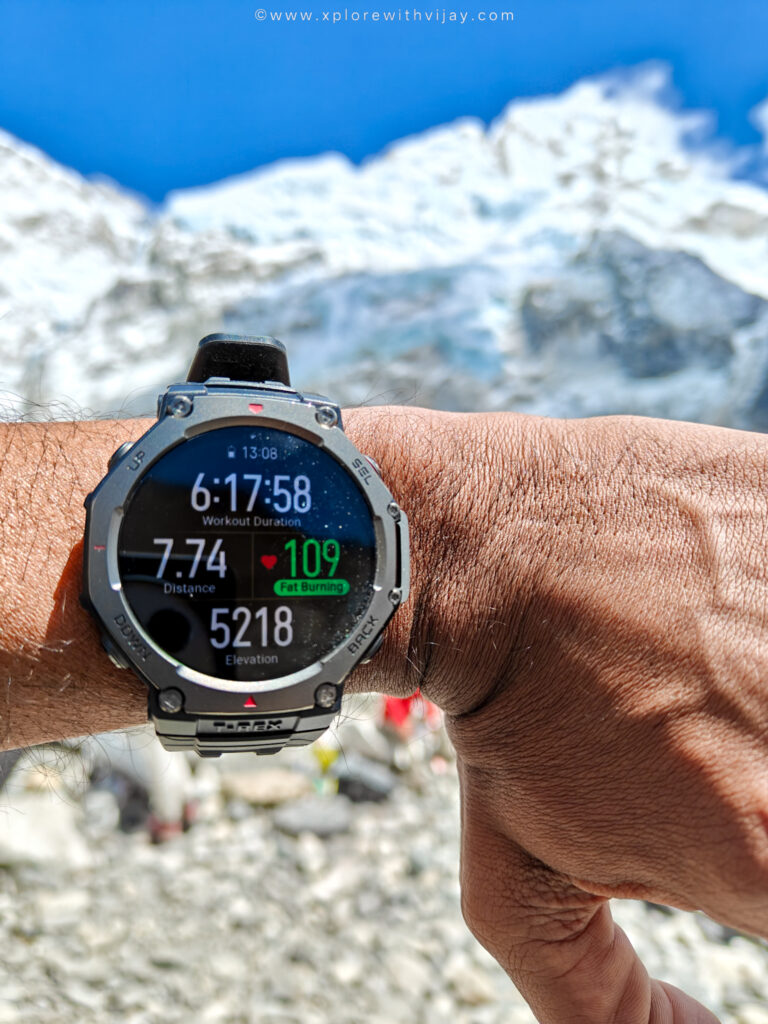
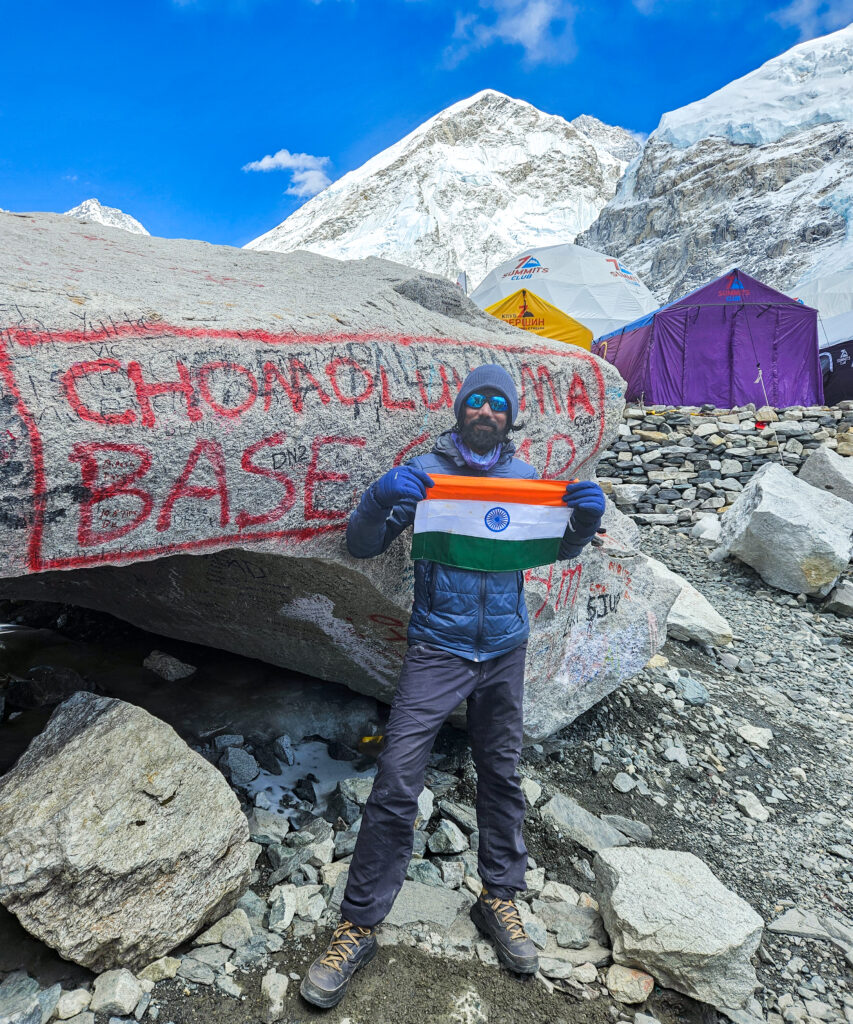
Standing there at around 17,700 feet, it was a rush of emotions.
Excitement. Relief. Satisfaction.
Everything came together in that one moment.
After days of walking, adjusting, pushing through fatigue, this was it.
We congratulated each other, took photographs, and spent time just being there.
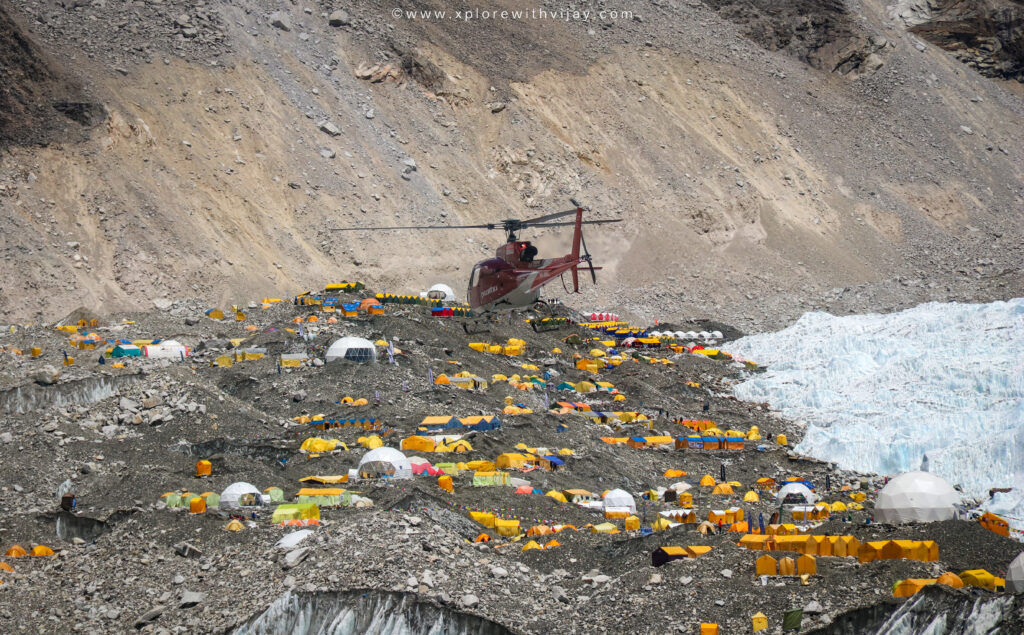
This is the trekkers’ base camp, not the actual expedition camp used by climbers attempting the summit of Mount Everest. But for us, it didn’t matter. This was our finish line.
After spending some time at base camp, we began our walk back to Gorak Shep.
The return felt lighter. Almost effortless.
Day 10: The Descent: Trek To Pangboche
The next three days were all about descending.
I chose to skip the hike to Kala Patthar, though a few from our group went ahead with it. For me, it felt like the journey had already reached its high point.
It wasn’t easy to say goodbye to the towering peaks, the silence, and the constant cold that had become part of daily life.
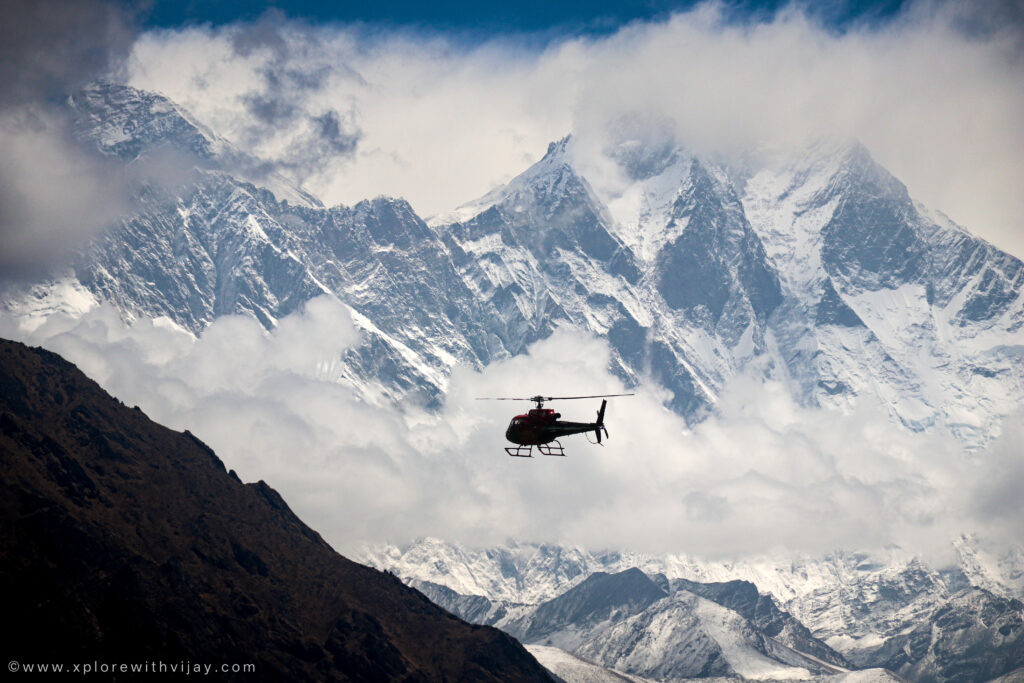
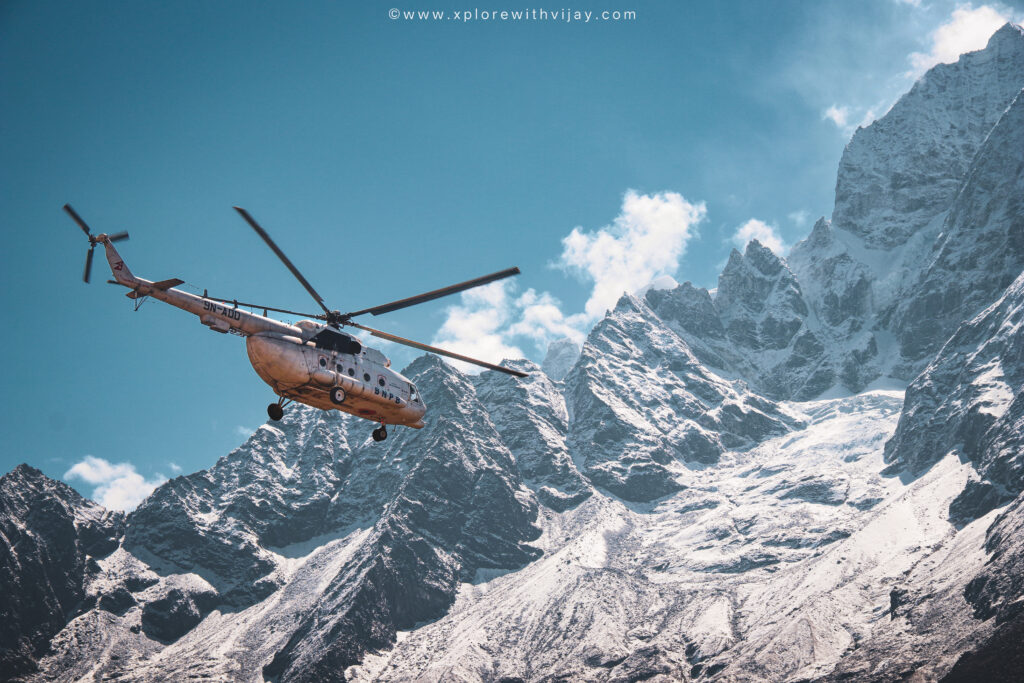
As we packed up our bags, we were also reminded how unforgiving these mountains can be. One of our fellow trekkers had fallen seriously ill after returning from Everest Base Camp. It turned out to be altitude-related, and she had to be evacuated to Lukla by helicopter.
Moments like these underline the importance of having the right kind of insurance. Not the usual travel cover, but one that specifically includes high-altitude trekking and emergency evacuation. Up here, that isn’t optional. It’s essential.
It was a sobering moment for all of us.
After a simple breakfast, we began our journey back towards lower camps.
The descent wasn’t necessarily easier. In fact, it came with its own challenges. We decided to push longer distances, bypassing a few intermediate camps to shorten the return. That meant longer walking days.
The first day was a demanding 19 km stretch.
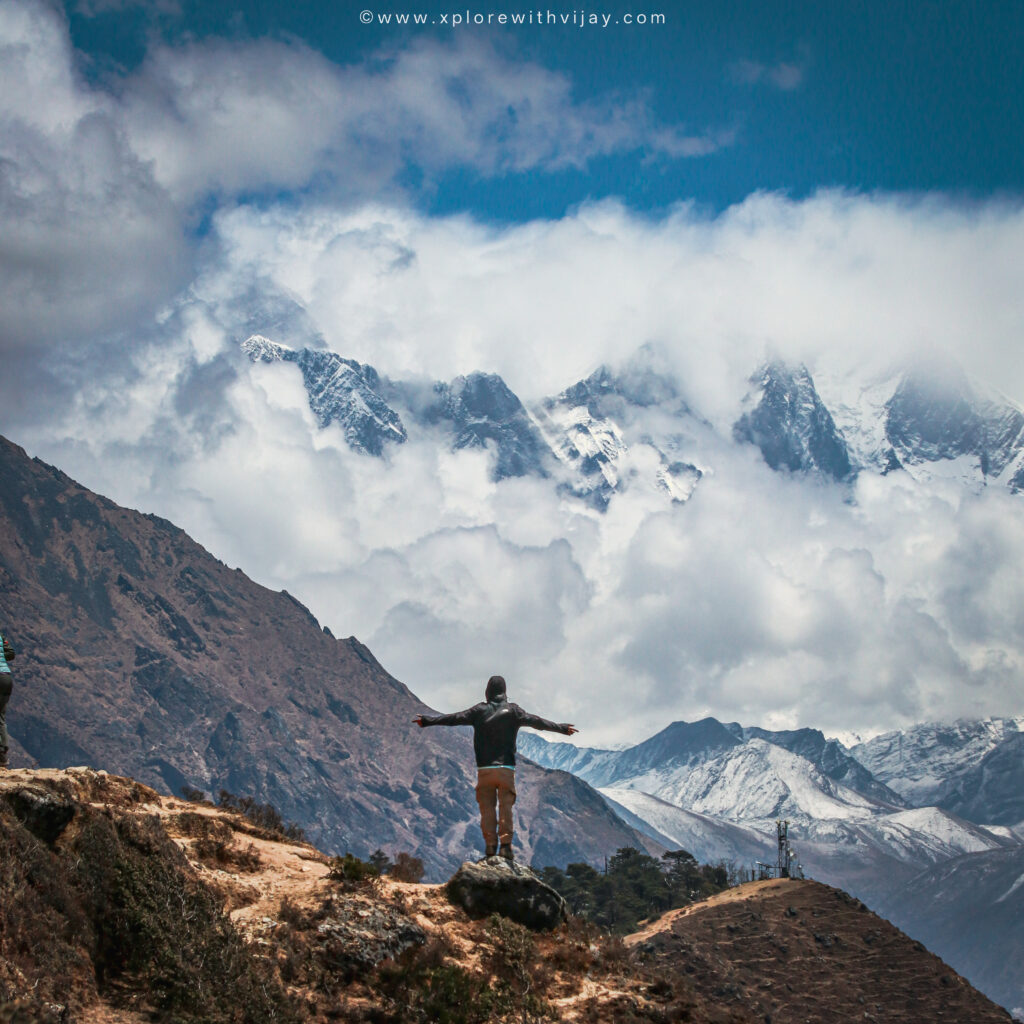
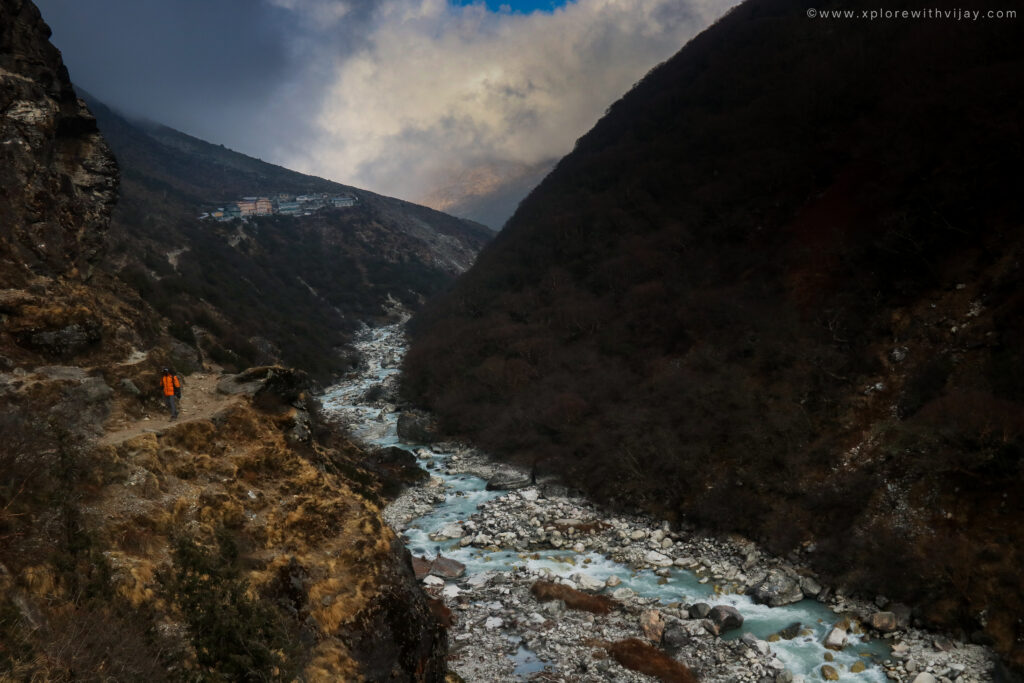
The trail felt familiar up to Thukla Pass. Beyond that, it splits. One route leading higher towards Dingboche, and the other dropping down towards Pheriche. And, we had to talk the path to Pheriche. It was a long, exposed stretch, nothing much around except mountains and strong, constant winds hitting us along the way. After nearly 8 to 9 hours of walking, we finally reached Pangboche. A long day. But done.
Day 11: Pangboche to Namche Bazaar
The next day was another extended descent. Around 14 km, back to Namche Bazaar.
The familiar forest trails, the zig-zag paths. It all brought back memories from the ascent. There was a sense of familiarity now, mixed with a bit of nostalgia.
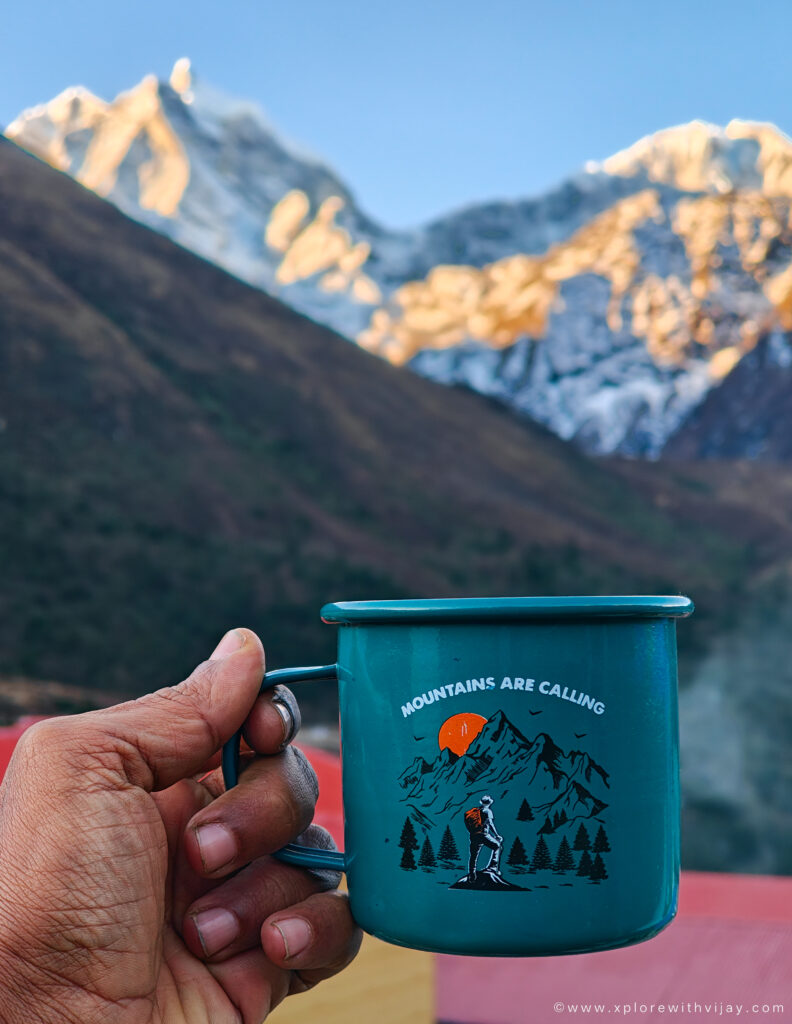
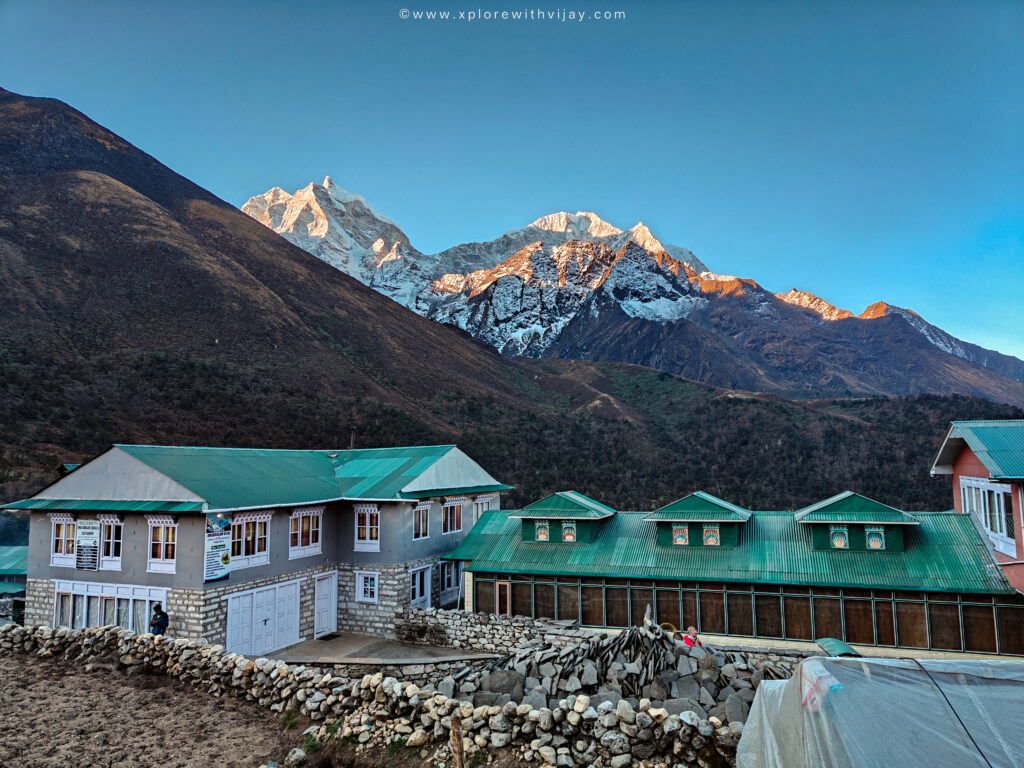
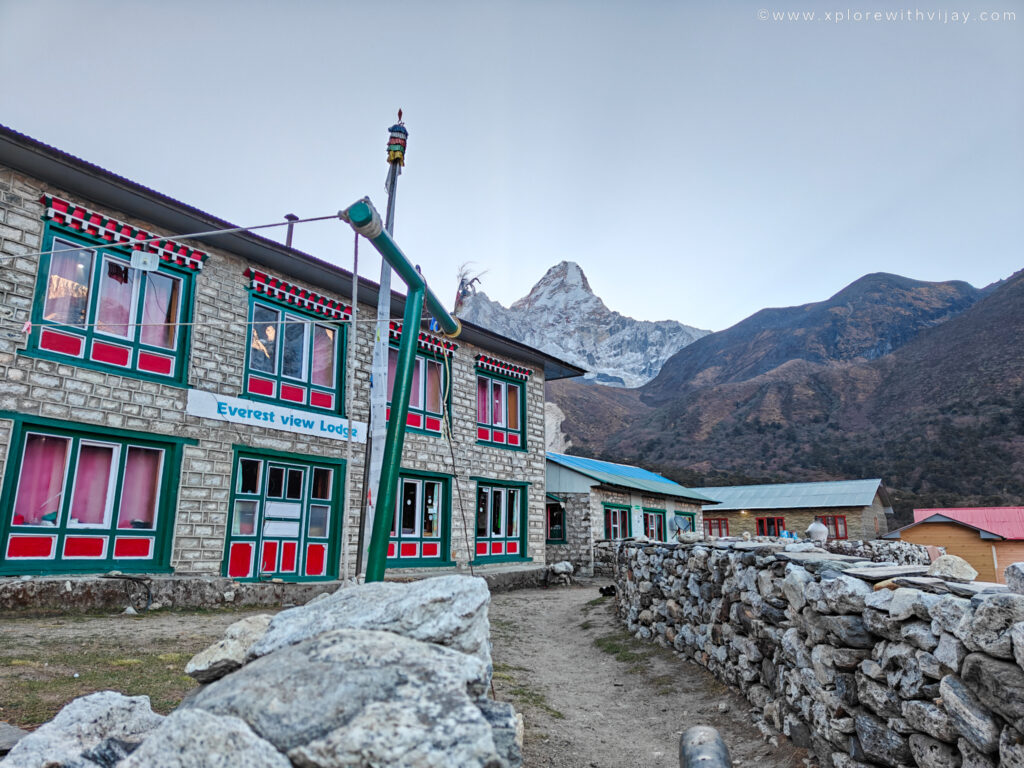
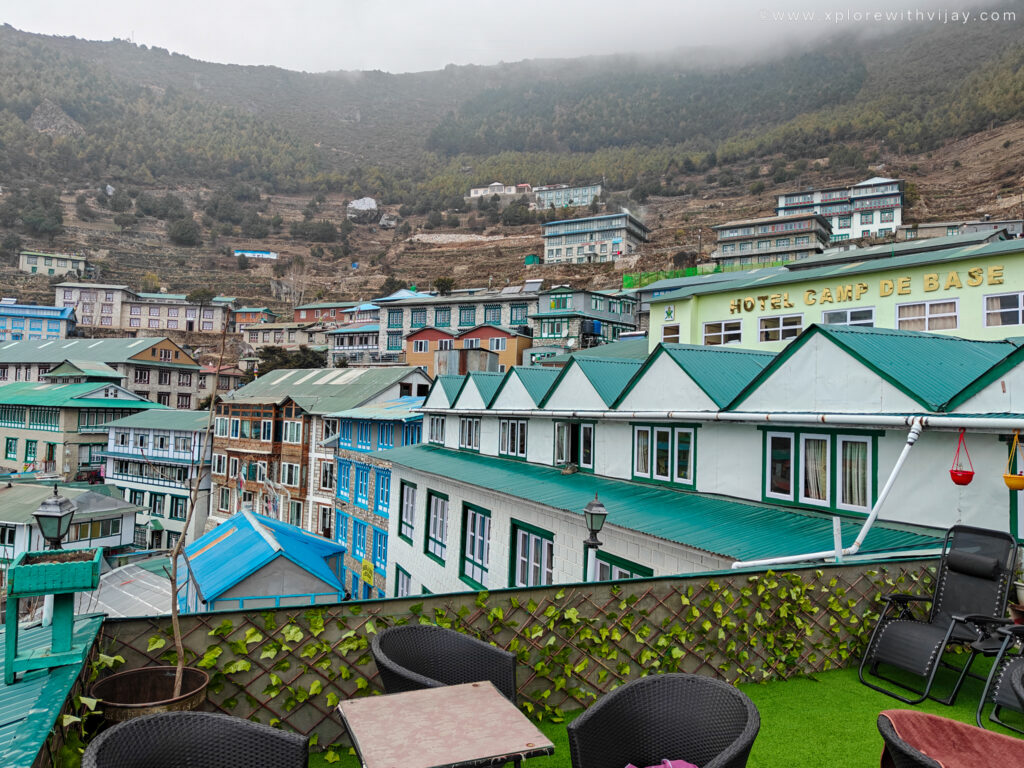
As we approached Namche, the energy picked up again. The town felt lively after days spent in quieter, more remote regions.
It felt like a return. By night, it was time for some well-earned rest.
The following day marked the final stretch of the trek.
Day 12: Trek from Namche Bazaar To Phakding To Lukla | Last Day Of Trekking
The walk from Namche to Lukla, via Phakding, was another long one. About 16 km, mostly downhill.
With every step, it slowly started to sink in.
This was coming to an end.
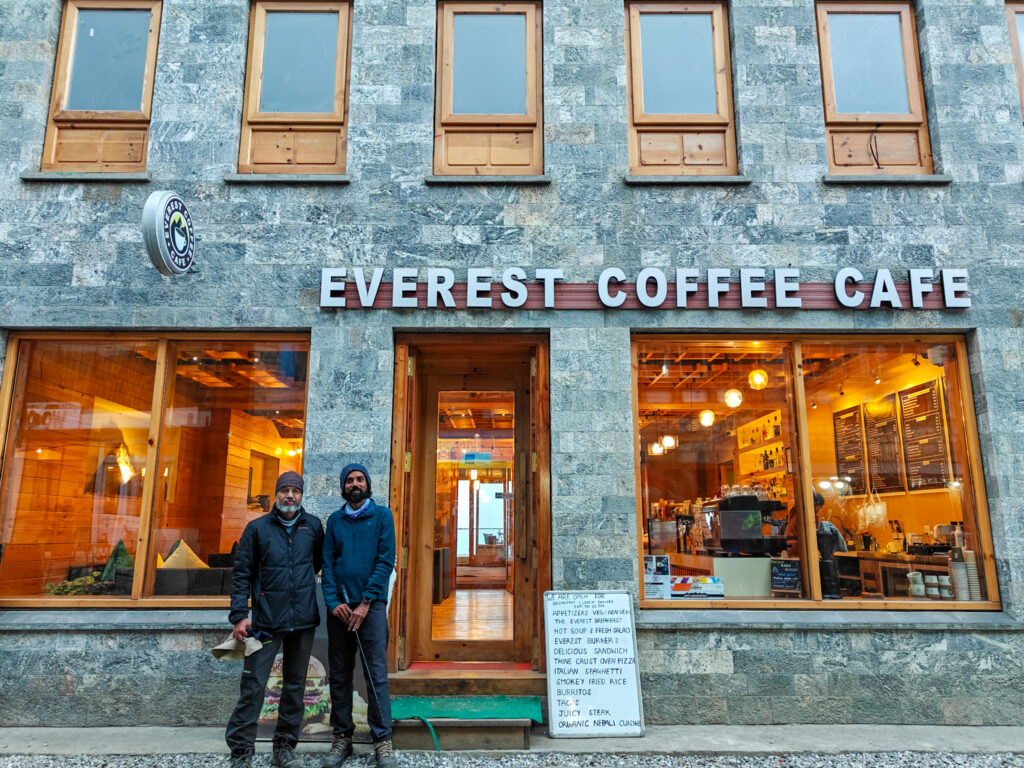
Reaching Lukla felt different this time.
Not the same excitement as Day 2, but a quieter sense of completion. And, the excitement of getting back home.
Day 13: Flight from Lukla to Ramechhap and drive to Kathmandu
It was time to say goodbye to the Everest region.
Our flight from Lukla to Ramechhap Airport was scheduled in the morning, usually the most reliable window in these mountains.
As the aircraft took off, it gave us one final view of the peaks and valleys we had spent days walking through.
From above, everything looked different.
Smaller. Distant. But still familiar.
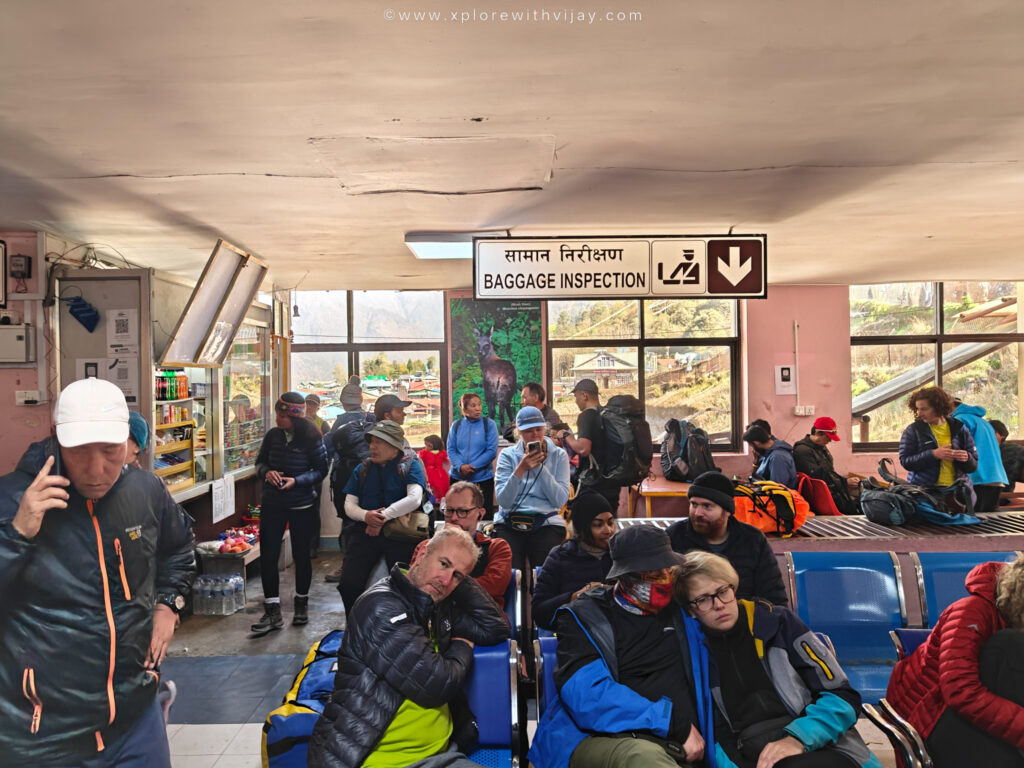
After landing at Ramechhap, we drove back to Kathmandu, carrying memories of the journey, and a quiet eagerness to get back home and share the experience through stories and photographs.
Later that evening in Kathmandu, we had a gala dinner arranged for the group.
After days of simple meals in the mountains, this felt like a feast. There was a different kind of energy. Everyone relaxed, sharing stories from the trek, reliving moments from the past few days.
Remember the member from our group I mentioned who had to be evacuated from Gorak Shep? We met her that evening. She had recovered well and was doing completely fine.
When I Look Back
Looking back, this wasn’t just about reaching Everest Base Camp.
It was about everything that led up to it. This journey had its highs, its struggles, and its reminders. Days where everything felt effortless, and days where even a few steps felt like a task. But that’s what the mountains do. They don’t just test you, they shape you.
Standing at the base of Mount Everest was special, no doubt. But what stays with me more is the journey itself. The people, the landscapes, and the experiences in between.
Even after the trek, there was one more setback.
Back home, I transferred all my photos from the camera to an external hard drive. A few weeks later, the drive failed. Just like that, several professional grade images were gone. It was a painful loss.
Thankfully, I had backed up some of them elsewhere. Otherwise, this blog wouldn’t have been possible.
Ten years in the Himalayas. Twelve treks.
Grateful to everyone who stood by me through this trek, back home and on the trail. Your support meant a lot.
If you enjoy social media, feel free to connect and explore more of my work through the links below.
Instagram: https://www.instagram.com/xplore_with_vijay
YouTube: https://www.youtube.com/@xplore_with_vijay/
Facebook: https://www.facebook.com/vijay8686
If this journey resonated with you, I invite you to join my broadcast list for more stories and photographs from my travels. And, do share your thoughts in the comments.